


Conservation stars
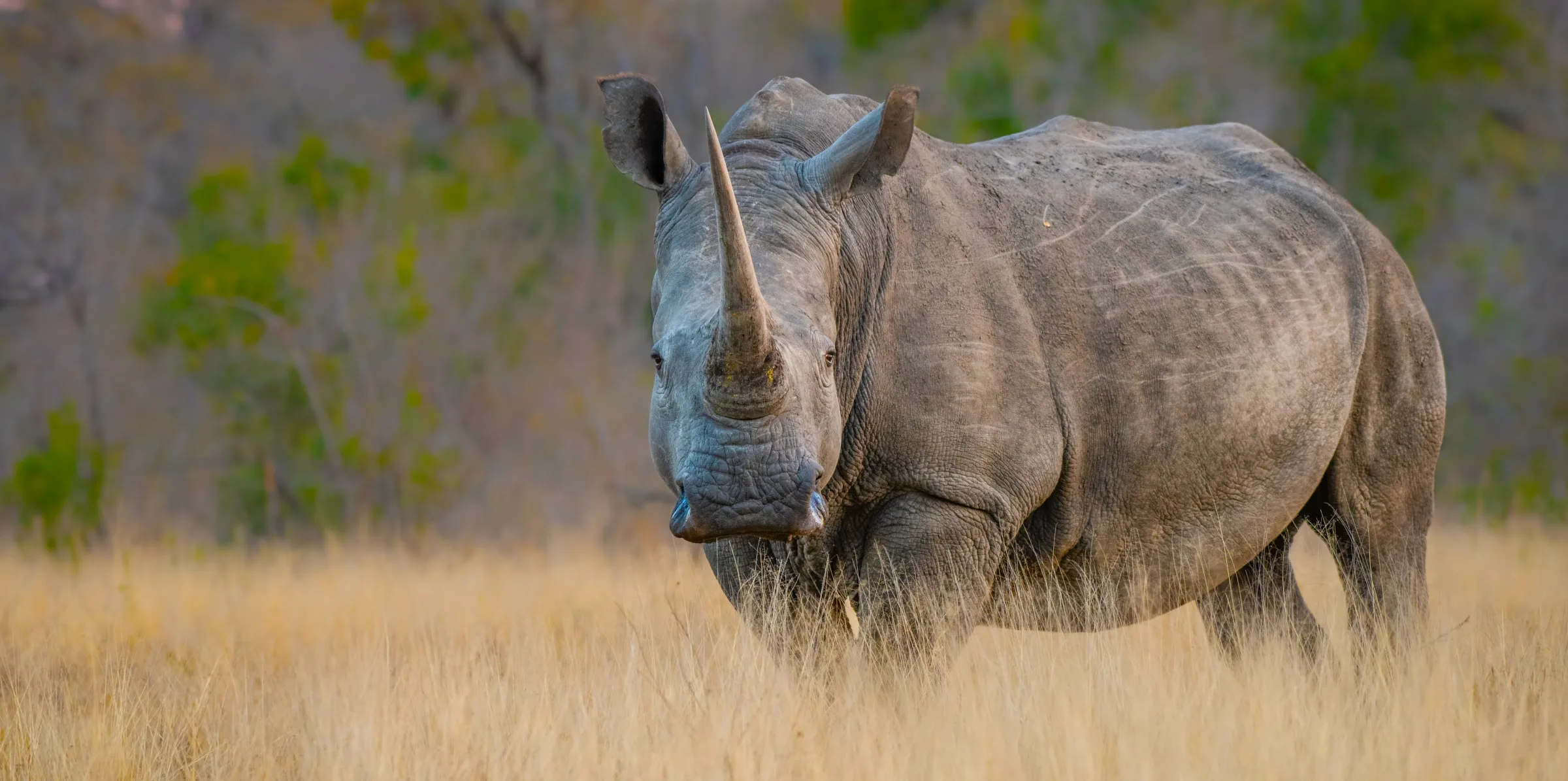
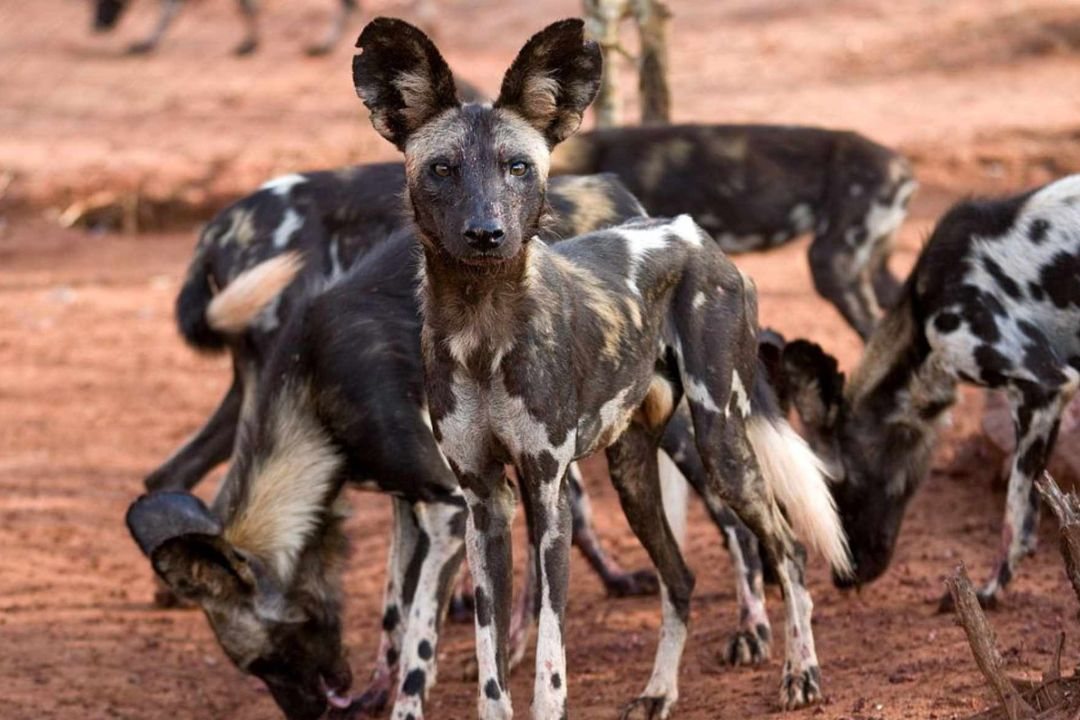
Black rhino live in the protected sanctuary; visits are arranged separately and depend on sanctuary rules. Wild dogs range across the wider park.
A wild, little-visited park between the Pare and Usambara mountains — home to a black rhino sanctuary, African wild dogs and dry-country wildlife, with almost no other vehicles.
North-eastern Tanzania · about 2½–3 hrs by road from Moshi
Mkomazi is one of Tanzania’s least-visited national parks — and that is exactly its charm. Covering around 3,245 km² of semi-arid savanna and bush along the Kenyan border, it forms one ecosystem with Kenya’s Tsavo West National Park, framed by the Pare and Usambara mountains.
Once a game reserve badly affected by poaching, Mkomazi has been carefully restored and became a national park in 2008. It is known for its conservation work, particularly the fenced rhino sanctuary, where critically endangered black rhinos are protected and bred, and a breeding programme for African wild dogs.
The wildlife here is different from the classic northern circuit: gerenuk, fringe-eared oryx and lesser kudu thrive in the dry bush, and you can drive for hours without seeing another vehicle. Mkomazi is a wonderful addition to a Kilimanjaro climb or a route towards the coast and the Usambara Mountains.
One of the quietest parks in Tanzania — often you will have sightings entirely to yourself.
A protected sanctuary for critically endangered black rhino, an important conservation success story.
Mkomazi has played a key role in protecting and reintroducing this endangered predator.
See gerenuk, fringe-eared oryx and lesser kudu — animals rarely found on the northern circuit.
The Pare and Usambara mountains frame the plains, with Kilimanjaro visible on clear days.
An easy addition before or after a Kilimanjaro climb.
Mkomazi’s wildlife is adapted to dry conditions and is often shy. Patience is rewarded with species that are hard to see elsewhere in Tanzania.
Black rhino live in the protected sanctuary; visits are arranged separately and depend on sanctuary rules. Wild dogs range across the wider park.
Gerenuk, fringe-eared oryx, lesser kudu and Grant’s gazelle are typical, along with giraffe, zebra and eland.
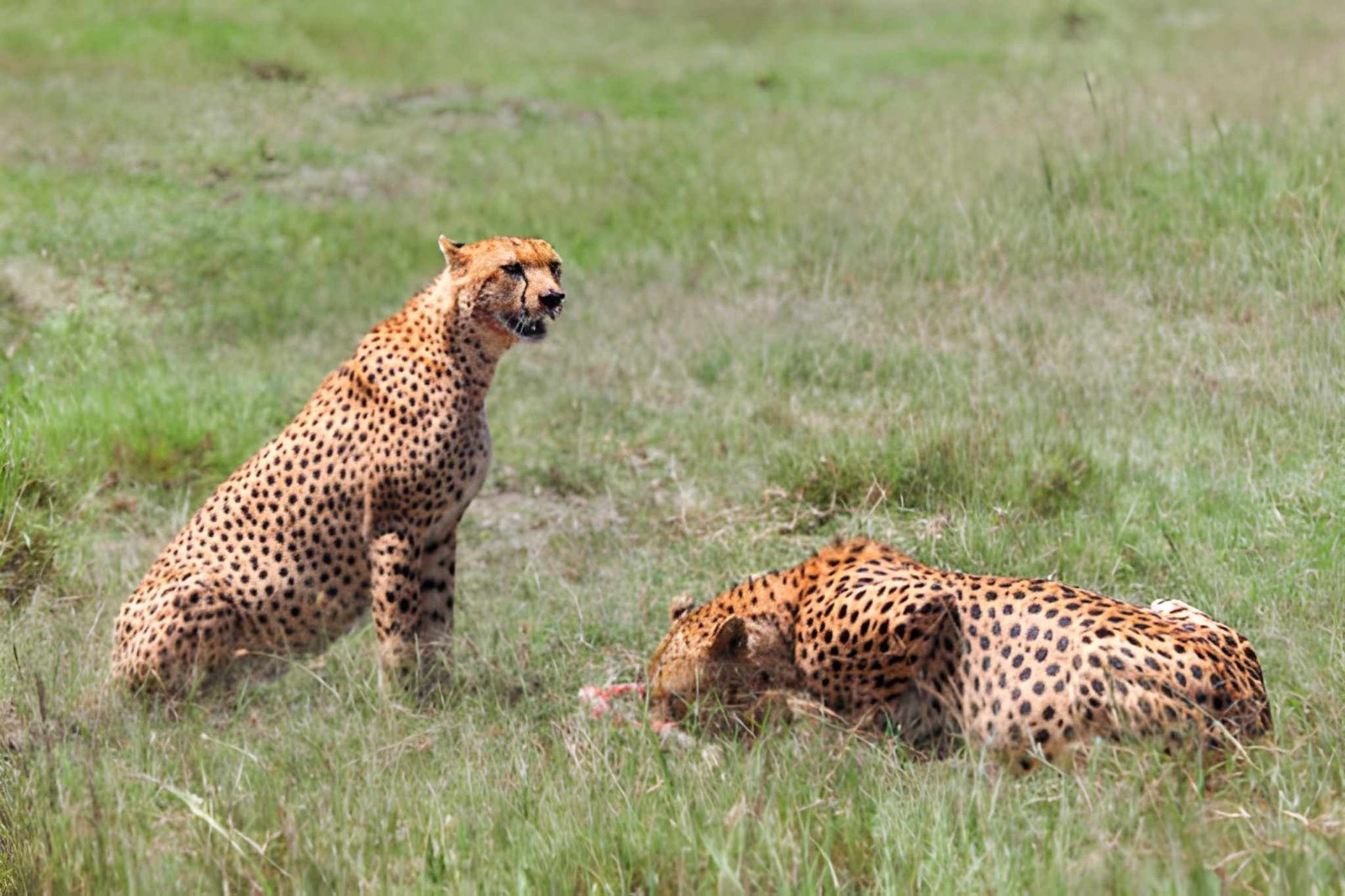
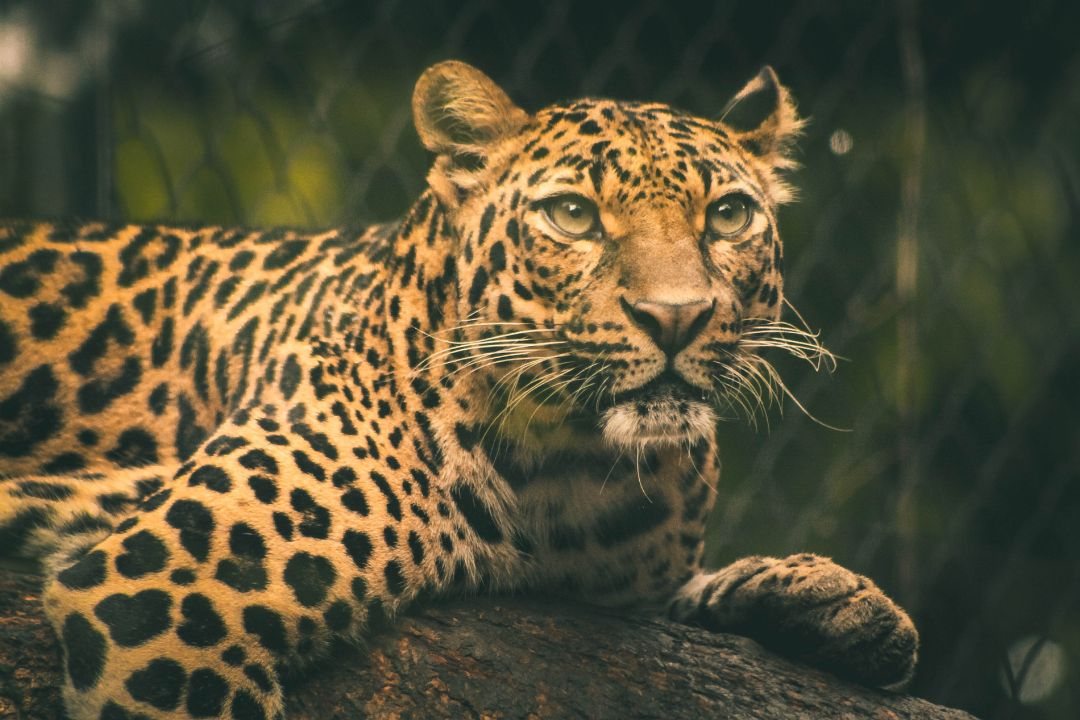
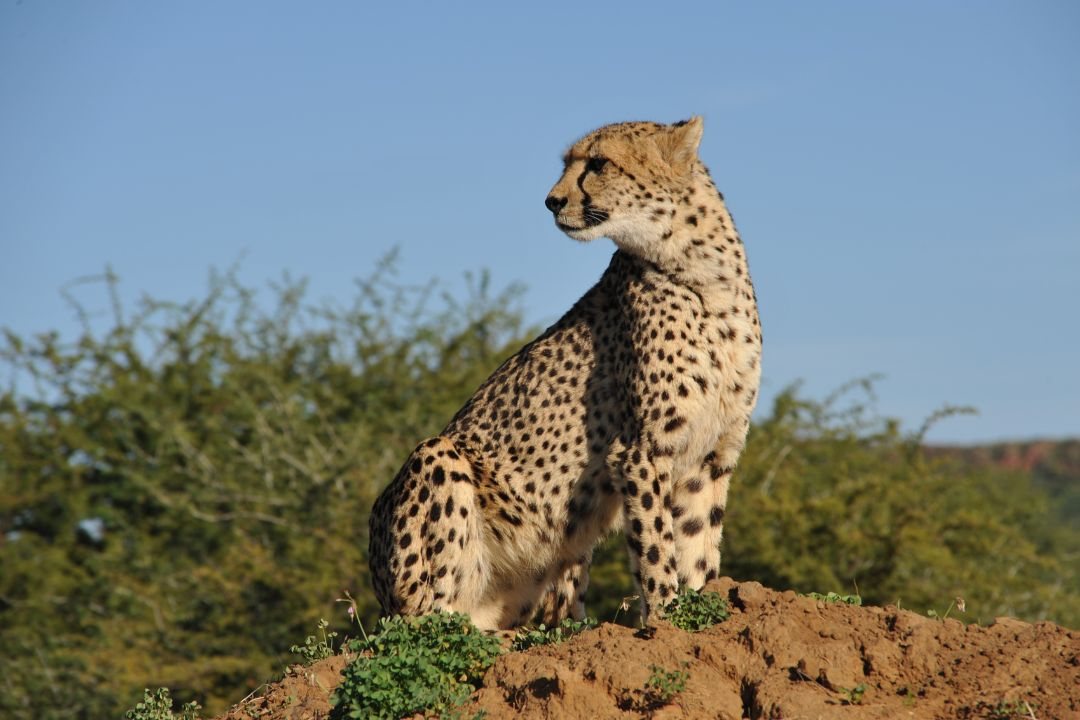
Lion, leopard, cheetah and hyena are present but less habituated than in the big parks.
Over 400 species, including many dry-country birds such as vulturine guineafowl, golden-breasted starlings and hornbills.
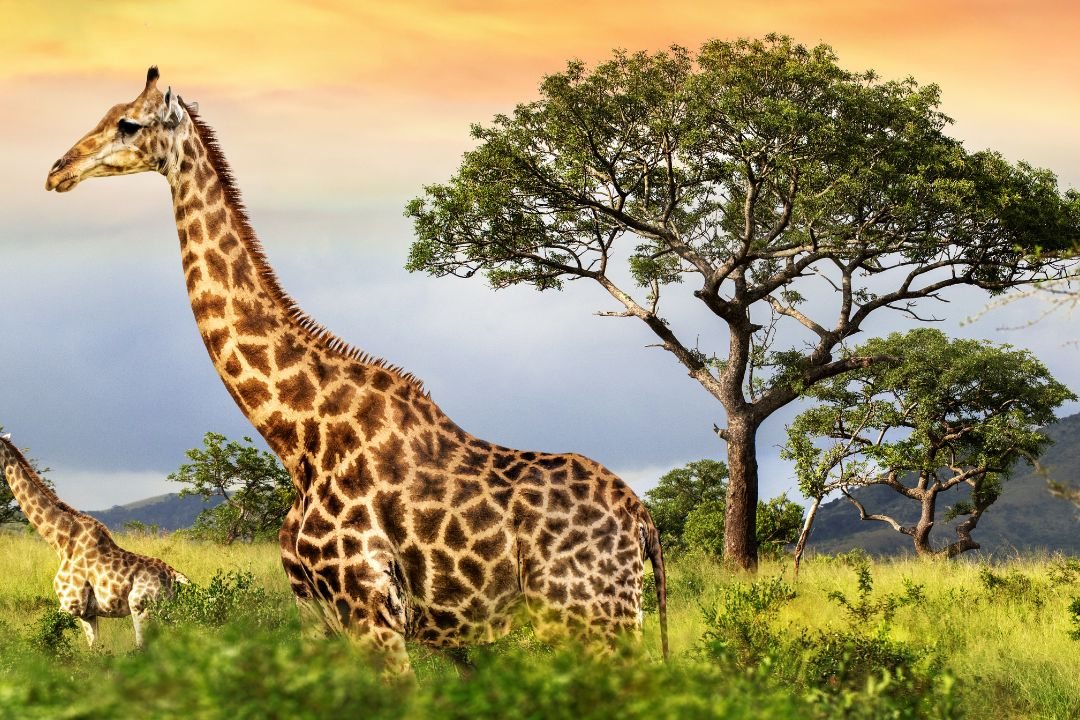
Mkomazi is a landscape of red earth, dry acacia and commiphora bush, open grassland and rocky inselbergs. After the rains it turns briefly green and flowers bloom across the plains; in the dry season it fades to soft greys and golds.
To the south-east rise the Usambara Mountains and to the west the Pare Mountains, while to the north the land runs on, unfenced, into Tsavo. On clear mornings, Kilimanjaro floats above the horizon.
Explore a wild, quiet park in your private vehicle, with long views and few other visitors.
Learn about the conservation of black rhino in the sanctuary, subject to arrangements and conditions on the day.
A great park for dry-country birds that are rare elsewhere in northern Tanzania.
Continue to the green Usambara Mountains for walking and village visits.
The dry season from June to October is best for game drives and wildlife viewing. The green months bring flowers and birds, but some tracks can be difficult after heavy rain.
A short dry spell between the rains. Mkomazi is lush, skies are clear between showers and many animals have young.
Warm days, green landscapes and excellent birding, with migratory species still present. A quieter, good-value month.
Rain brings green grass and flowers, but some tracks become difficult. Wildlife disperses.
The wettest period. Visits are possible but less rewarding for game viewing.
Showers ease towards the end of the month and the bush is deep green. A peaceful time to travel with flexible plans.
Cooler, clearer days. Vegetation starts to thin and wildlife viewing improves week by week.
Dry and pleasant, with cool mornings and evenings. One of the most popular months — book early.
Dry and clear. Animals gather near water and the views are wide open.
Very dry landscapes and superb wildlife concentrations. Warm days, beautiful light for photography.
Hot, dusty and rewarding. Water sources are few, so predators and prey meet often. Fewer visitors than August.
Brief showers refresh the land and bring migrant birds. The bush turns green quickly and rates soften.
Green landscapes, newborn animals and warm days with passing storms. Festive dates book up early.
Mkomazi’s main entrance, Zange Gate, is near the town of Same, about 2½–3 hours by road from Moshi and around 4 hours from Arusha along the main road to the coast.
It combines well with Moshi and Kilimanjaro, or as a stop on a road journey towards the Usambara Mountains, Tanga or Pangani on the coast.
Accommodation in and around Mkomazi is limited and intimate, which keeps the park wonderfully quiet.
Park fees are set by Tanzania National Parks and are included in our quotes. Rhino sanctuary visits may have their own arrangements.
One or two nights are ideal to enjoy the park at an unhurried pace.
Wildlife is less habituated than in the famous parks. Mkomazi rewards patience and curiosity.
Mkomazi is in a malaria area — speak to your doctor about prevention before travelling.
Fees, rules and opening times can change. For the latest official information, visit Tanzania National Parks (TANAPA) ↗
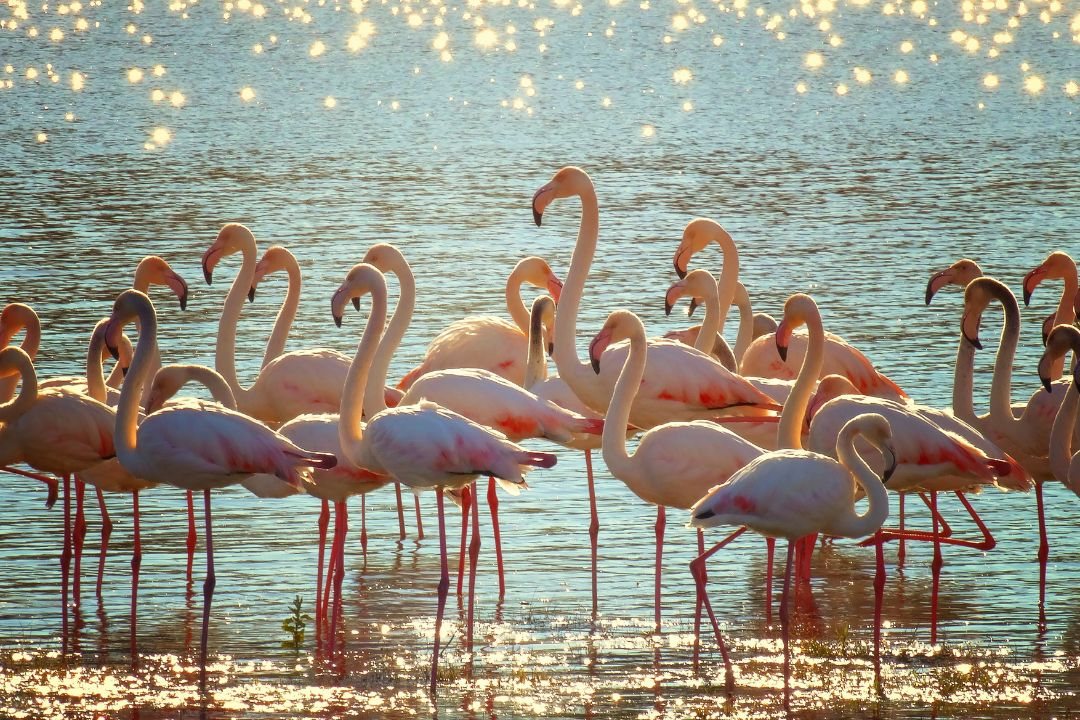
Hadzabe & Datoga cultures
A remote soda lake beneath the Ngorongoro highlands, home to the Hadzabe — one of Africa’s last hunter-gatherer communities — and the Datoga, renowne…
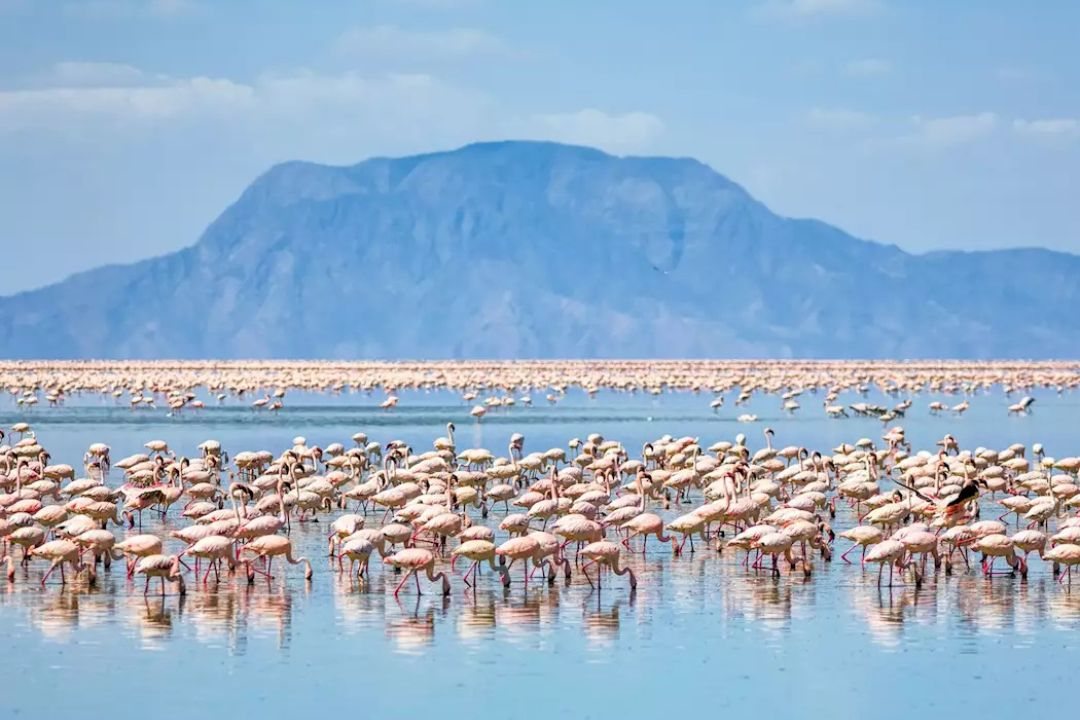
Flamingos, volcano climbs, waterfalls
A blood-red soda lake beneath an active volcano — the most important breeding ground for lesser flamingos in East Africa, and one of the wildest land…
Great Migration, big cats, balloon safaris
Endless golden plains, the Great Migration and some of Africa’s finest big-cat viewing — Tanzania’s most celebrated wilderness, planned around you by…
Can’t find your answer? Our team in Moshi is happy to help.
Ask on WhatsAppYes, if you value quiet wilderness, conservation stories and unusual dry-country wildlife. It is very different from the busy northern circuit.
Black rhinos live in a protected sanctuary within the park. Visits depend on the sanctuary’s rules and arrangements, which we confirm in advance.
About 2½–3 hours by road to Zange Gate near Same.
June to October, during the dry season, is best for game drives.
Dry-country species such as gerenuk, fringe-eared oryx and lesser kudu, plus giraffe, elephant, zebra, lion, cheetah and wild dogs, and over 400 bird species.
One or two nights are ideal. It combines well with Moshi, a Kilimanjaro climb or a journey to the Usambara Mountains.
Add Tanzania’s best-kept wilderness secret to your Kilimanjaro climb or coastal journey — tell us your plans.