


Rainforest
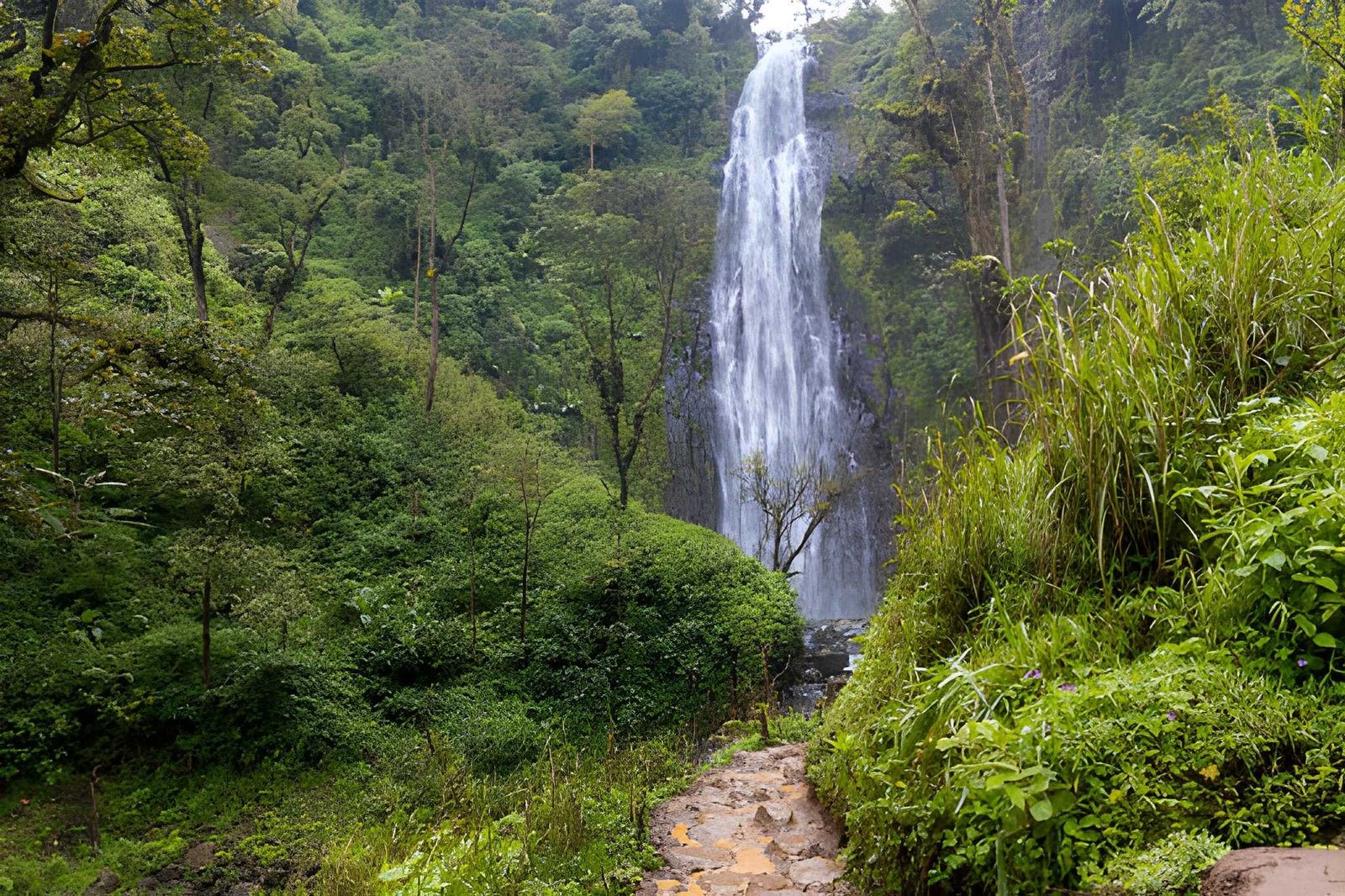
Black-and-white colobus and blue monkeys are often seen in the forest at the start of the climb, along with turacos and other forest birds.
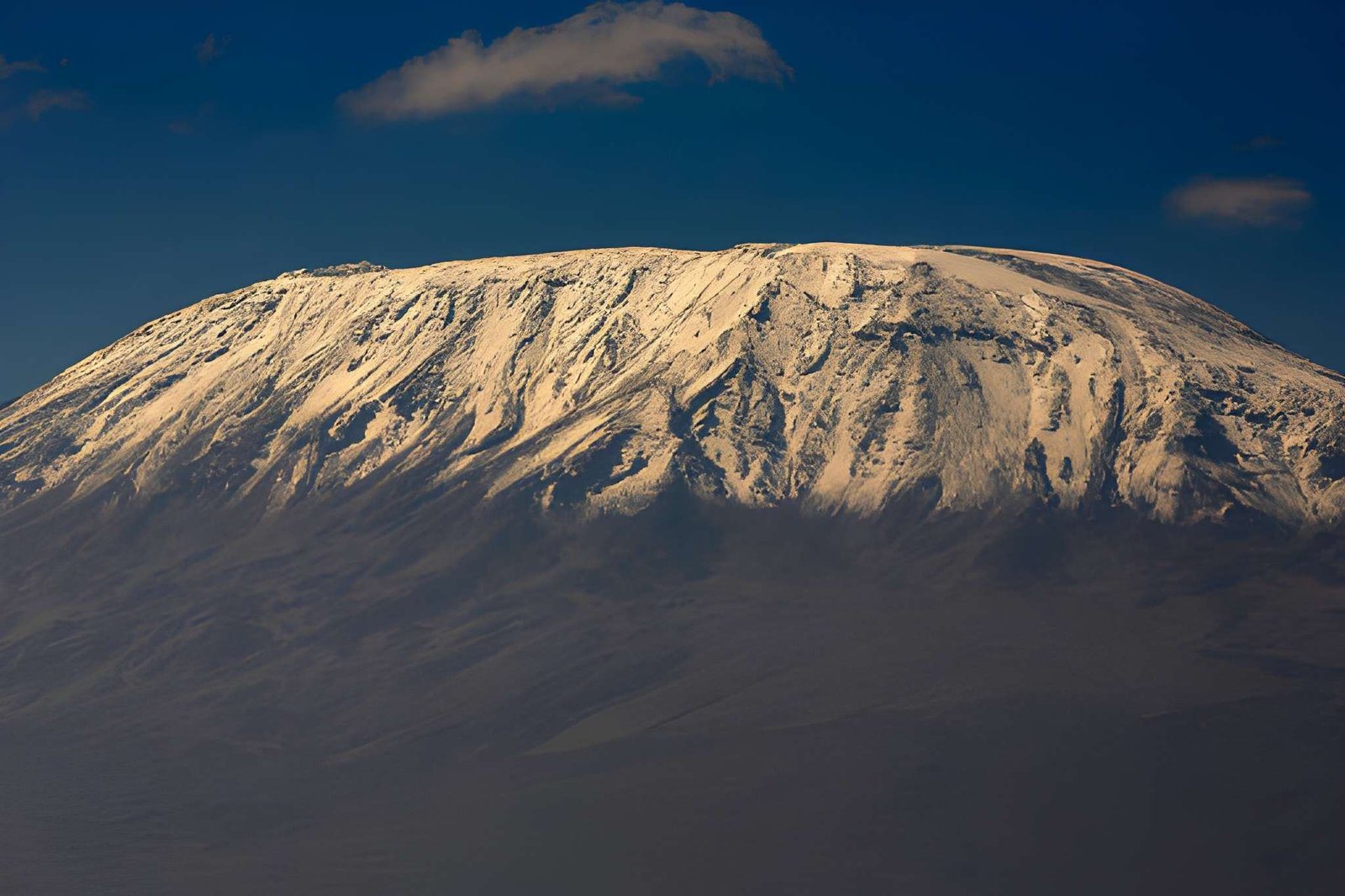
Africa’s highest mountain and the world’s tallest free-standing peak — climb to Uhuru Peak at 5,895 m with our team from Moshi, or explore its rainforest on a day hike.
Kilimanjaro Region · 40 min – 1½ hrs from Moshi to the gates
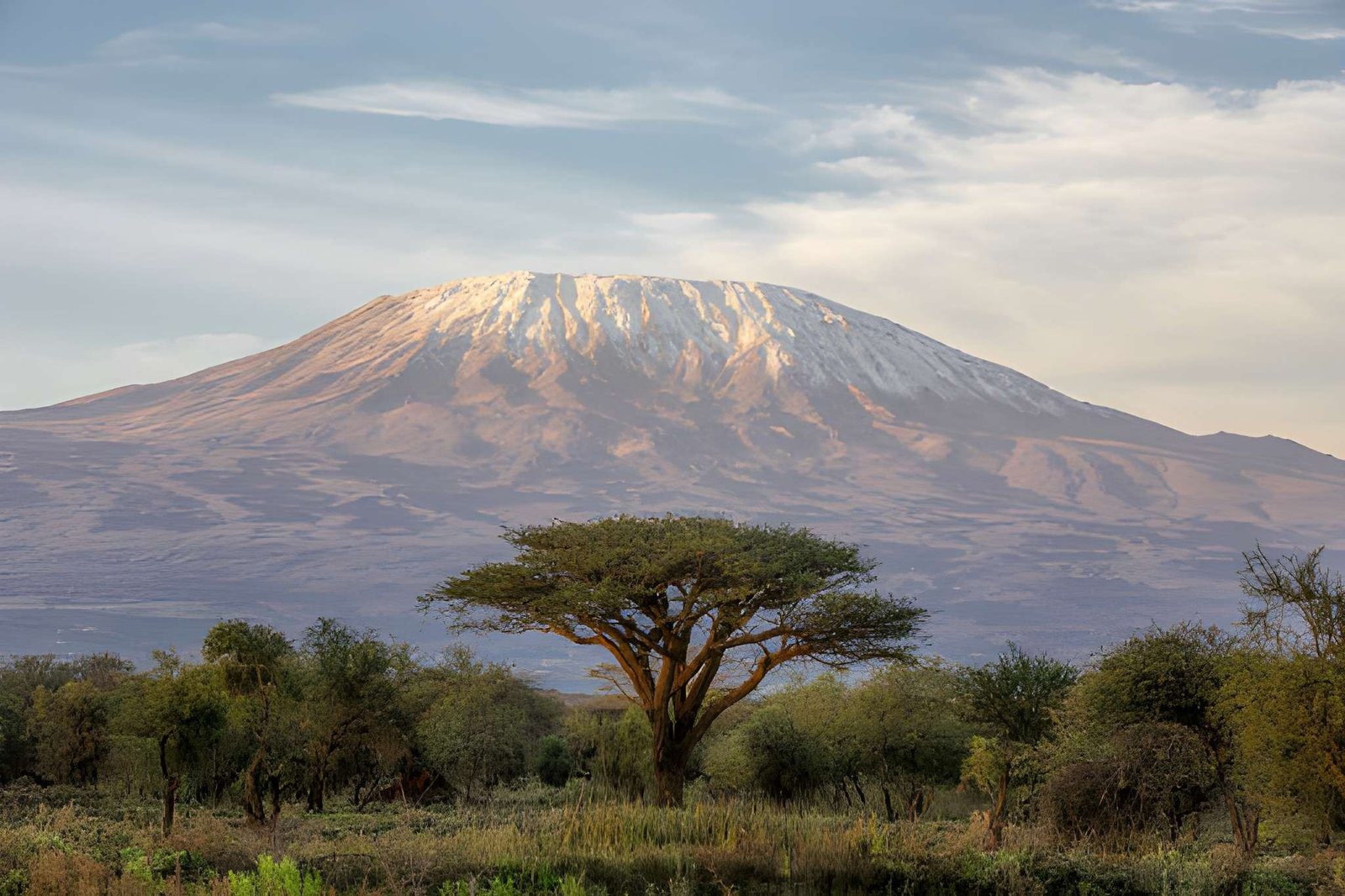
Mount Kilimanjaro rises alone from the plains of northern Tanzania, its glaciers floating above the clouds. At 5,895 metres, Uhuru Peak is the highest point in Africa, and Kilimanjaro is the tallest free-standing mountain in the world. The national park protects the mountain above the forest line, and the whole massif was listed as a UNESCO World Heritage Site in 1987.
Kilimanjaro is made up of three volcanic cones — Kibo, Mawenzi and Shira — and climbing it takes you through every climate zone from tropics to arctic in a single week. Reaching the summit needs no technical climbing skills, but it does require good preparation, careful acclimatisation and an experienced team.
Our office in Moshi sits at the foot of the mountain, so Kilimanjaro is quite literally our home. We plan every climb around safety, a sensible pace and the route that suits you best — and for those who would rather not go to the summit, the lower slopes offer superb day hikes.
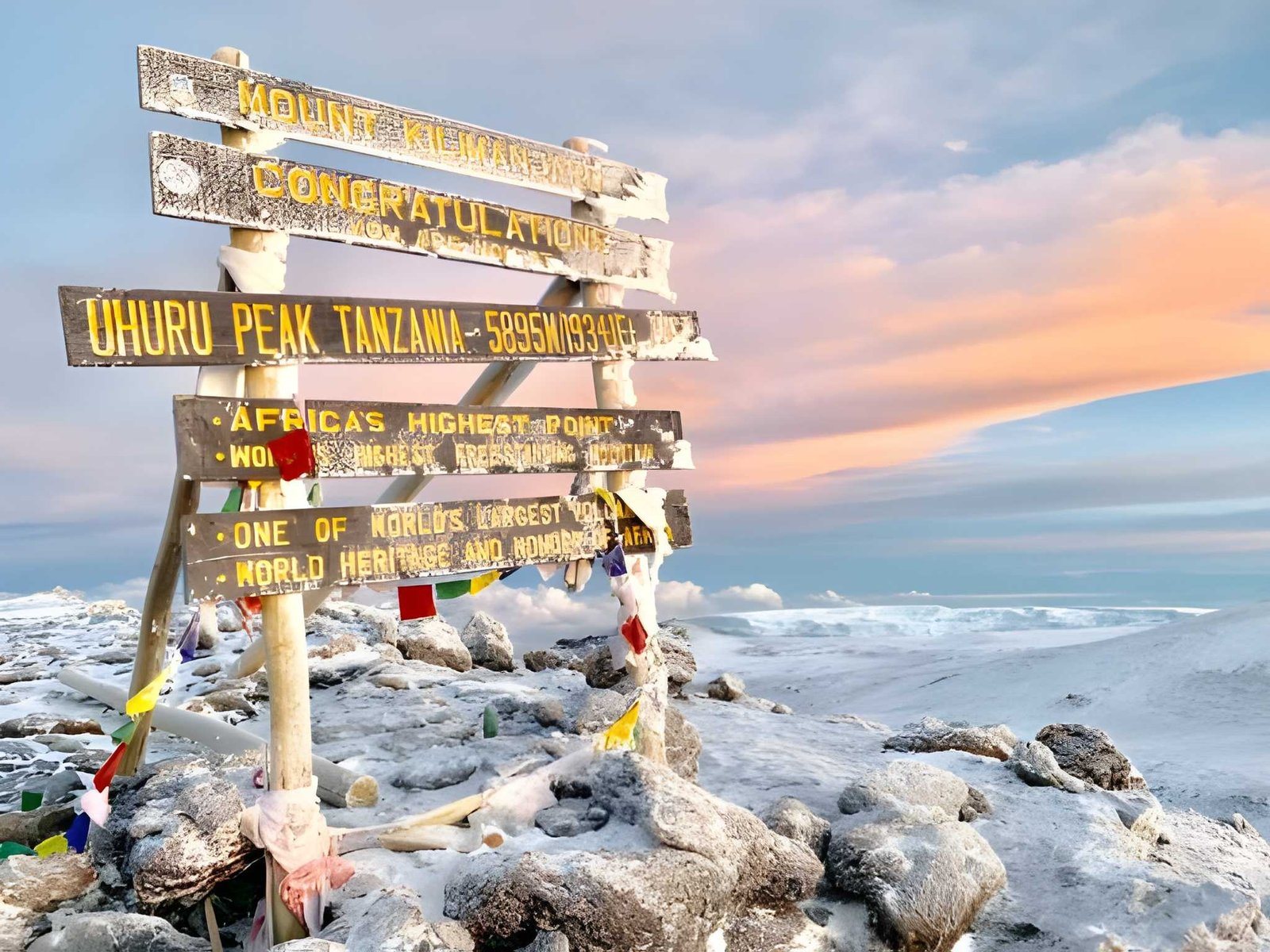
Stand on Uhuru Peak at 5,895 m — the highest point on the African continent.
Kilimanjaro is a high-altitude trek: with fitness, determination and good acclimatisation, it is within reach of many.
Walk from farmland and rainforest through heather and moorland to alpine desert and the glaciers of the summit.
From the scenic Machame and Lemosho routes to the quieter Rongai and the remote Northern Circuit.
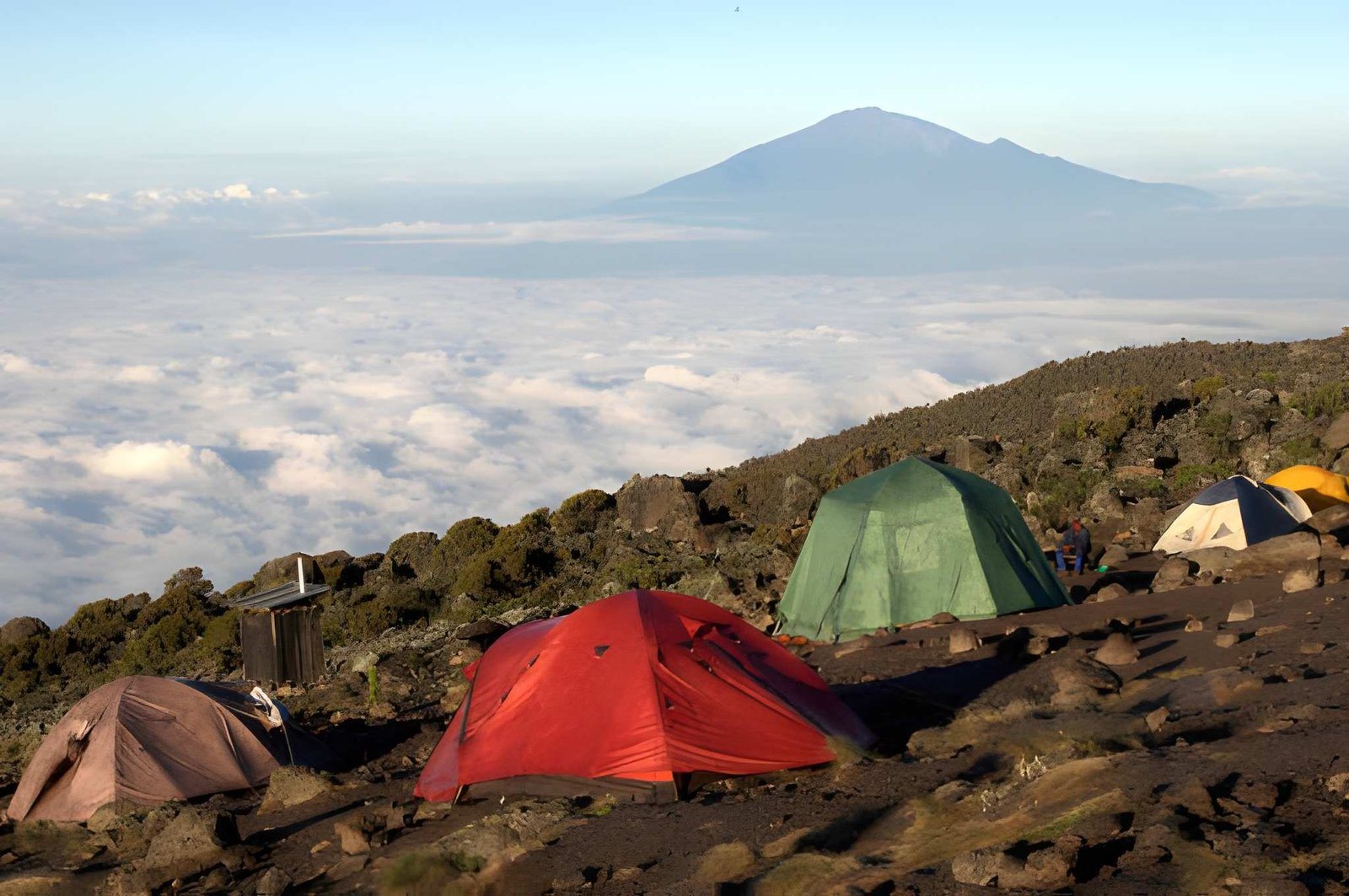
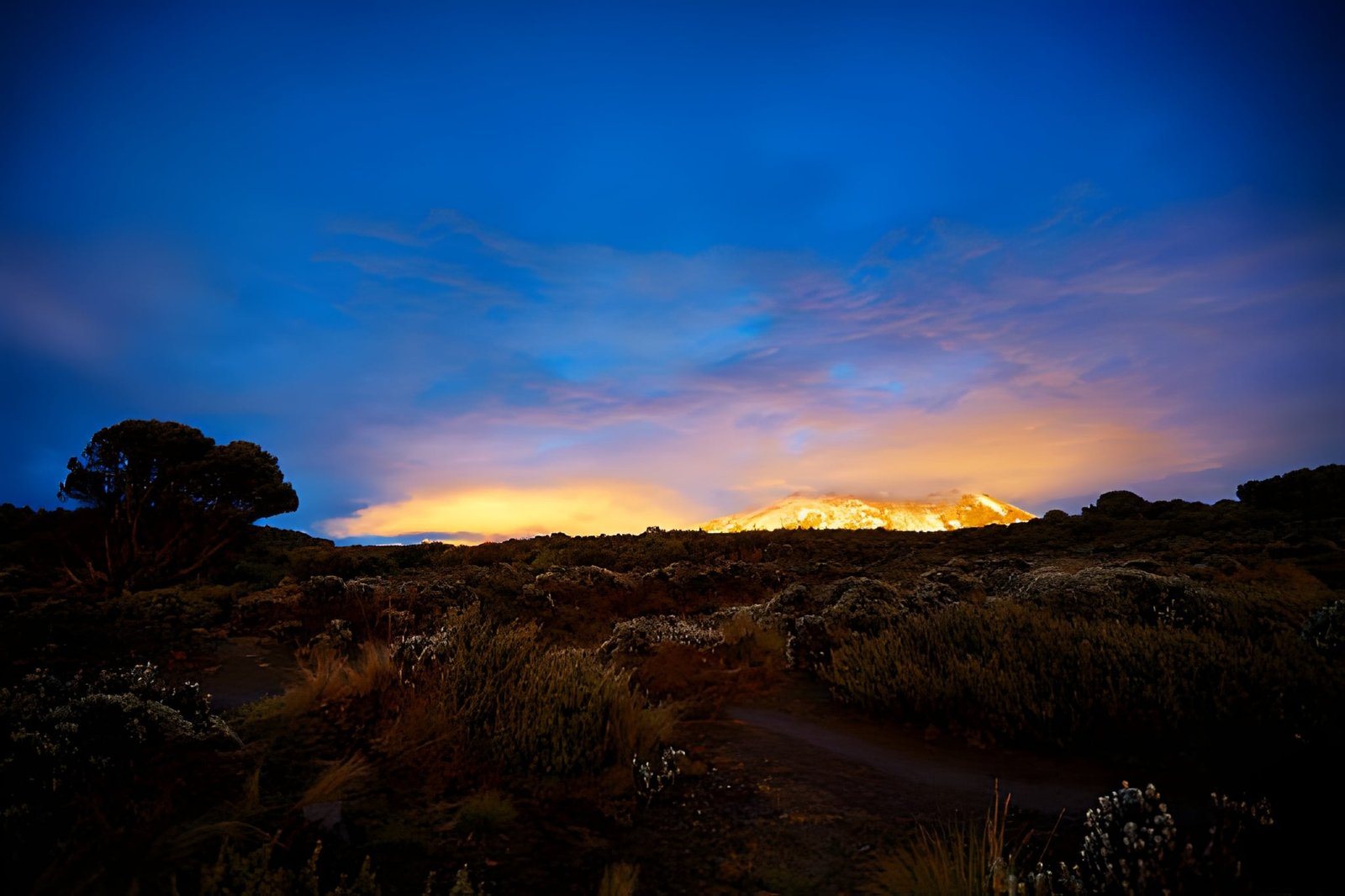
Watch the sun rise over Mawenzi and the curve of the earth on summit morning — an unforgettable moment.
Climb with a Moshi-based team, experienced mountain guides and porters who know the mountain intimately.
Kilimanjaro is not a wildlife destination in the safari sense, but its forests and moorlands support plenty of life — especially in the lower zones.
Black-and-white colobus and blue monkeys are often seen in the forest at the start of the climb, along with turacos and other forest birds.
Giant groundsels and lobelias grow here, and four-striped grass mice, white-necked ravens and sunbirds are common companions.
Above 4,000 m life becomes scarce: lichens, hardy grasses, ravens and the occasional lammergeier soaring over the cliffs.
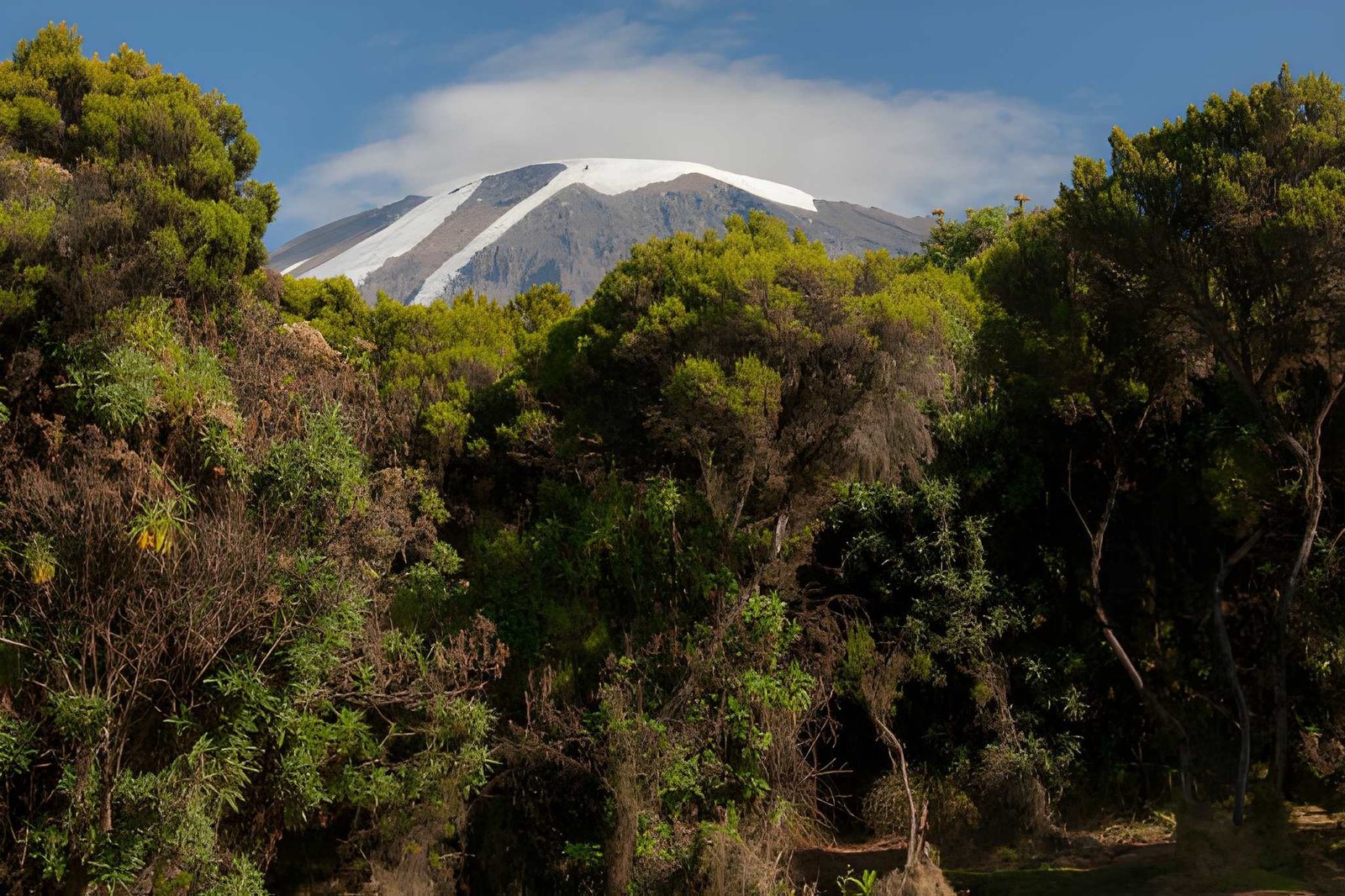
The lower slopes are farmed by the Chagga people, with coffee, bananas and small villages. Above about 1,800 metres, dense montane rainforest takes over — misty, mossy and alive with birdsong. Higher still, the forest gives way to heath and moorland, where strange giant groundsels and lobelias stand like sculptures.
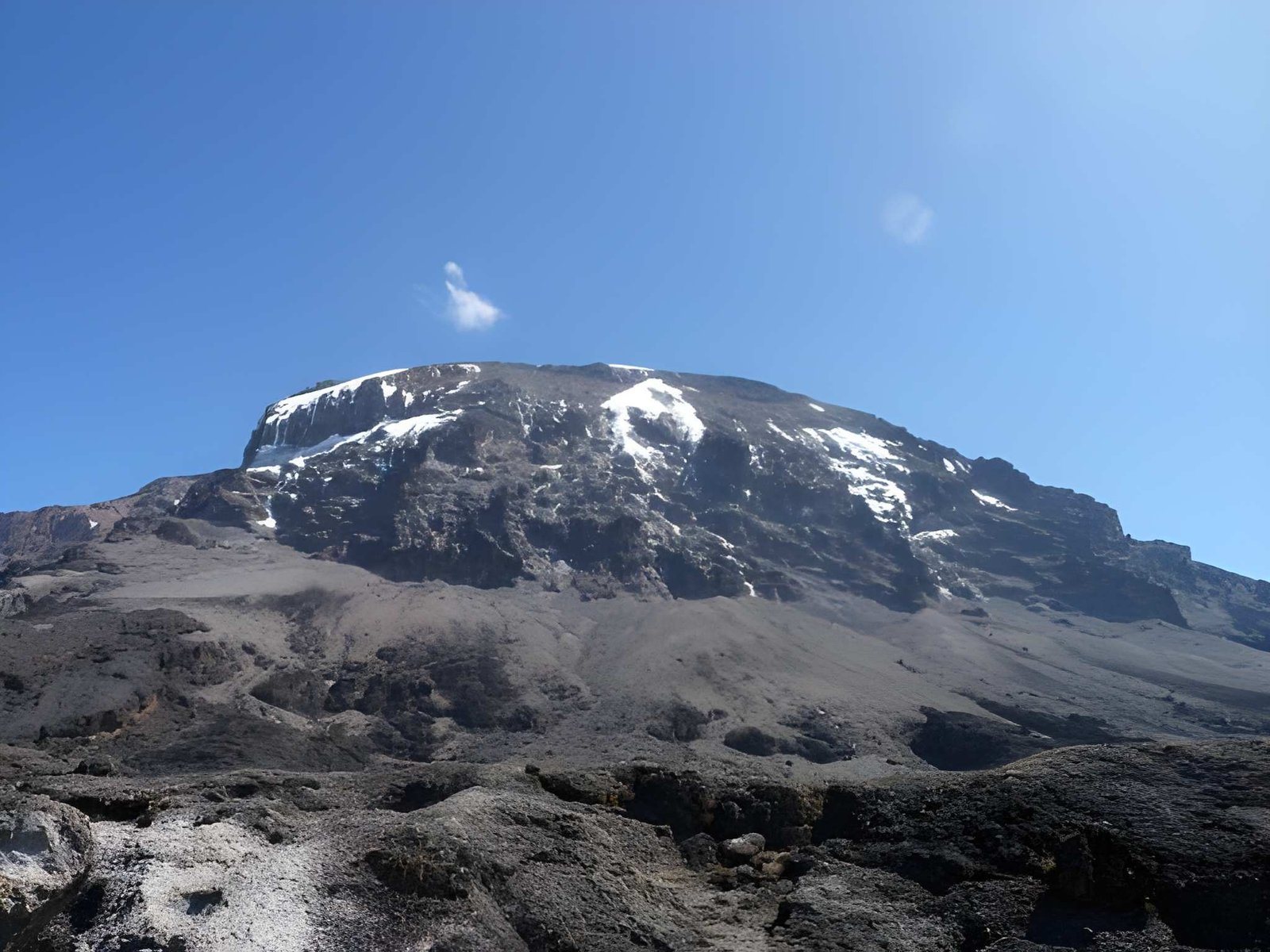
Above around 4,000 metres lies the alpine desert: bare, rocky and cold, with vast views across the Shira Plateau and Mawenzi’s jagged peaks. At the summit, Kibo’s crater rim is edged with ice cliffs and glaciers that have shrunk dramatically over the past century — one more reason to see them now.
Six to nine days to Uhuru Peak on the route that suits you, with a full mountain crew and quality equipment.
Walk through the rainforest to a first-night camp or hut and back — ideal for a taste of the mountain.
A high-altitude day trip by vehicle and on foot to the vast Shira Plateau, with views of Kibo.
On the mountain’s lower slopes, combine a waterfall walk with a hands-on Chagga coffee experience.
Celebrate your summit with a few days on safari in Tarangire, Ngorongoro or the Serengeti.
Kilimanjaro can be climbed all year, but the most popular seasons are the drier months: January to early March and June to October. April and May are the wettest; November brings short rains.
Mostly clear and a little warmer than mid-year. A great time to climb, with fewer people than August.
Often clear and dry. Snow on the summit is possible and very beautiful.
Climbing is possible early in the month; later, rain becomes more frequent and trails muddier.
Heavy rain on the lower slopes and snow higher up. Only for experienced, flexible climbers.
Rain continues; the mountain is very quiet. We usually recommend a different month.
Cooler and drier. Cold nights at camp, but generally clear summit conditions.
Dry and stable. One of the busiest months — book early, especially for small-group dates.
Reliable weather and clear views. Very popular for summer holidays.
Dry, clear and slightly warmer. An excellent month to climb.
Generally dry with fewer climbers. Afternoon clouds can build later in the month.
Afternoon showers are likely. Climbing is possible with good gear and a flexible mindset.
Showers early in the month, improving towards the holidays. Summit for New Year is popular.
The gateway to Kilimanjaro is Moshi, a short drive from Kilimanjaro International Airport (JRO, about 40 km). Most climbers arrive the day before their climb for a briefing and equipment check with their guide.
The route gates are reached by road from Moshi: Machame Gate in about 40 minutes, Marangu Gate in around an hour, Londorossi (for Lemosho and the Northern Circuit) in about 2½–3 hours, and the Rongai route from the north-east in about 3 hours.
Before and after your climb, stay in Moshi or on the mountain’s lower slopes — comfortable, quiet and close to the gates.
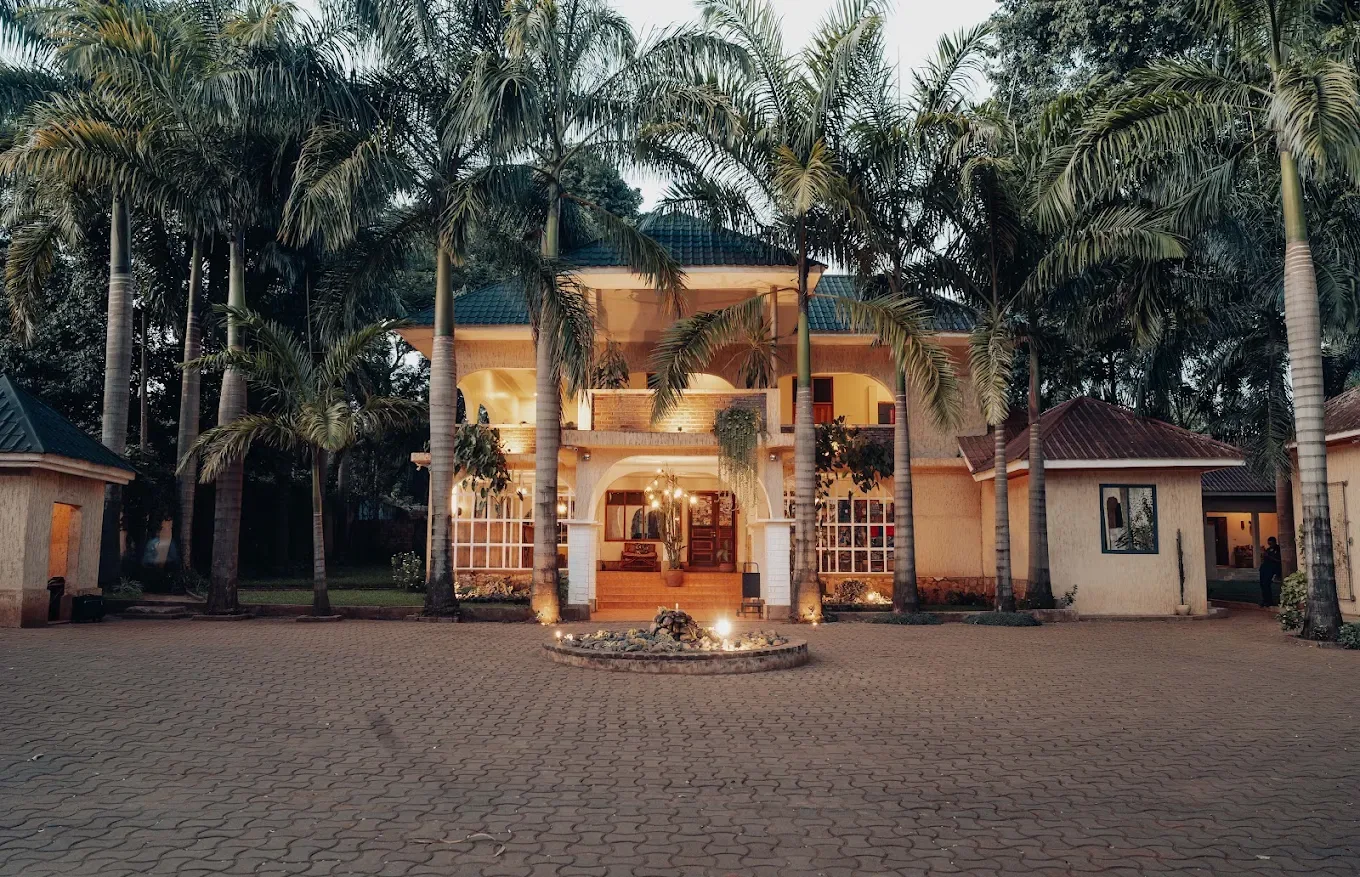 Mid-Range
A family-run garden lodge on the edge of Moshi, founded in 1988 — a pool among tropical greenery, a spa and the open-air Zingira restaurant, close to the Kilimanjaro gates.
View the lodge →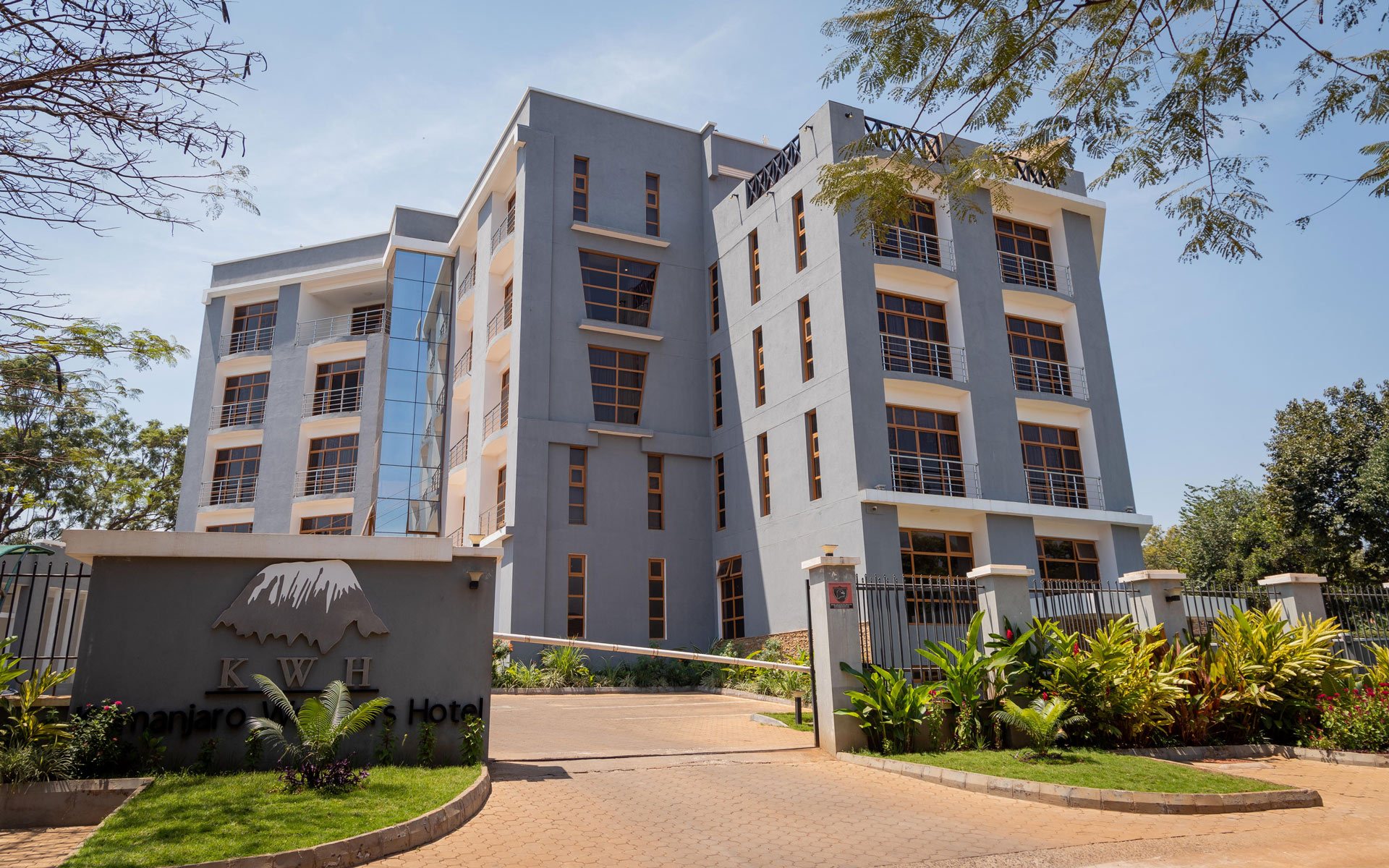 Luxury
A four-star boutique hotel in Moshi with an open-air bar on the fourth floor facing Kilimanjaro, a pool, fitness room and children’s playground.
View the lodge → Ultra Luxury
Exclusive country lodges near Kilimanjaro offering spa treatments and private service after your summit.
Browse Ultra Luxury lodges →Choose the Kilimanjaro route that matches your experience, fitness and time. Every climb can be combined with a safari or Zanzibar.
Kilimanjaro · the Marangu route
Kilimanjaro’s historic “Coca-Cola Route”: rainforest, moorland and alpine desert to Uhuru Peak, sleeping in the mountain’s only permanent h…
Kilimanjaro · the Marangu route
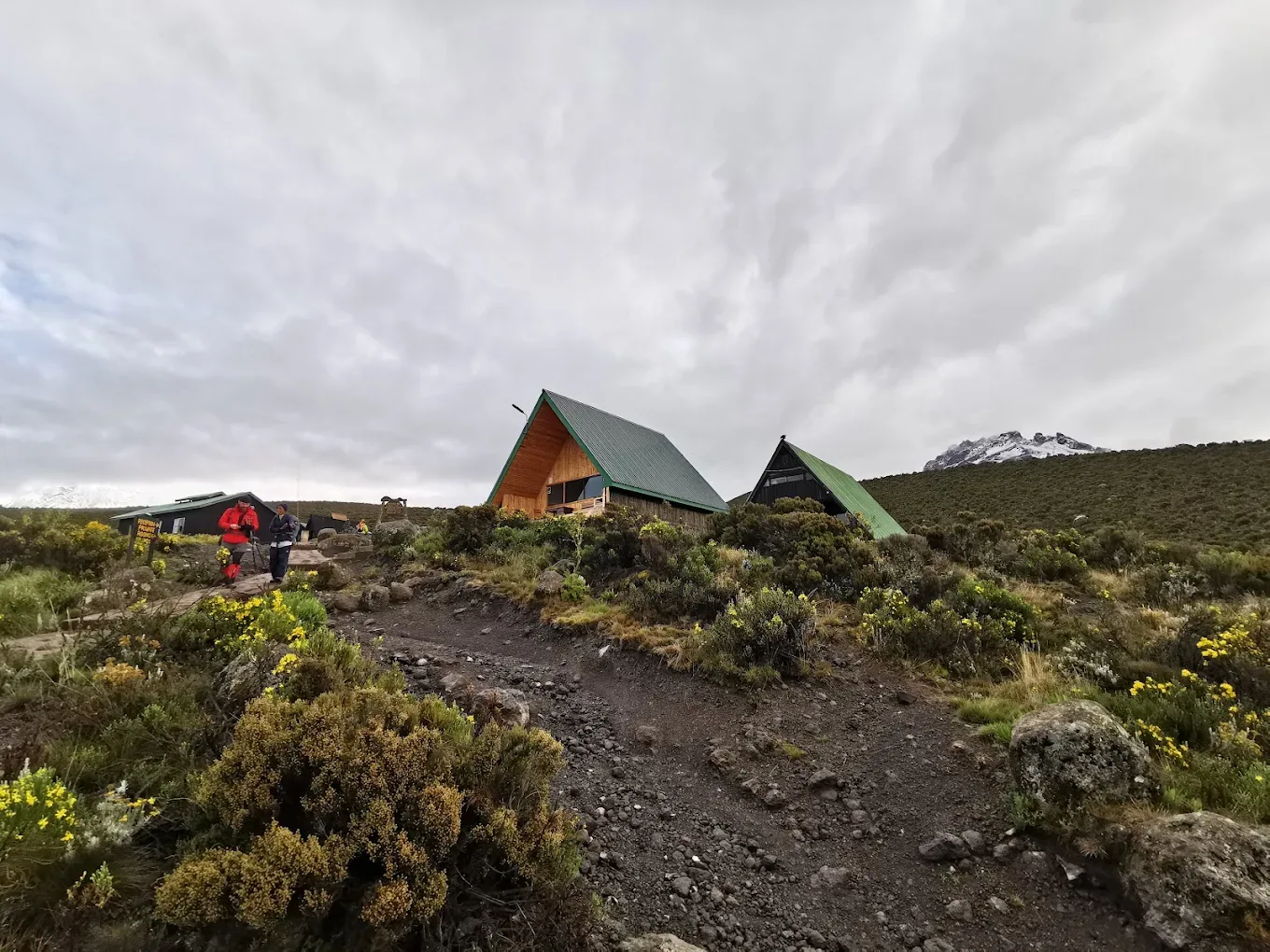
The historic hut route to Uhuru Peak, with an extra acclimatization day at Horombo Hut and a guided walk to Zebra Rocks.
Kilimanjaro · the Machame route
The scenic “Whiskey Route”: rainforest, the Shira Plateau, Lava Tower and the Barranco Wall on a six-day camping climb to Uhuru Peak.
 01
Scenic western routes
Popular, beautiful routes across the Shira Plateau with good “climb high, sleep low” acclimatisation. Lemosho is quieter at the start.
 02
Huts instead of tents
The only route with dormitory huts. A gentler gradient, but fewer acclimatisation days unless you add an extra night.
 03
Quieter & drier
Rongai approaches from the north and is drier in the rainy months. The Northern Circuit is the longest route, with excellent acclimatisation.
 04
Summit night
From Barafu or Kibo hut, climbers set off around midnight to reach Stella or Gilman’s Point at the crater rim, then Uhuru Peak at sunrise.
Park, camping or hut and rescue fees are set by Tanzania National Parks and are included in every climb we quote.
Altitude is the main challenge. Longer routes improve your chances of reaching the summit safely — we usually recommend seven or eight days.
Regular hiking or cardio training in the months before your climb makes a big difference to your enjoyment.
See your doctor before climbing at altitude, and make sure your travel insurance covers trekking up to 6,000 m and evacuation.
Warm layers, a down jacket, waterproofs, broken-in boots and a four-season sleeping bag. We send a full kit list.
We follow fair wages, proper equipment and load limits for porters, and encourage climbers to tip through the agreed process.
Fees, rules and opening times can change. For the latest official information, visit Tanzania National Parks (TANAPA) ↗
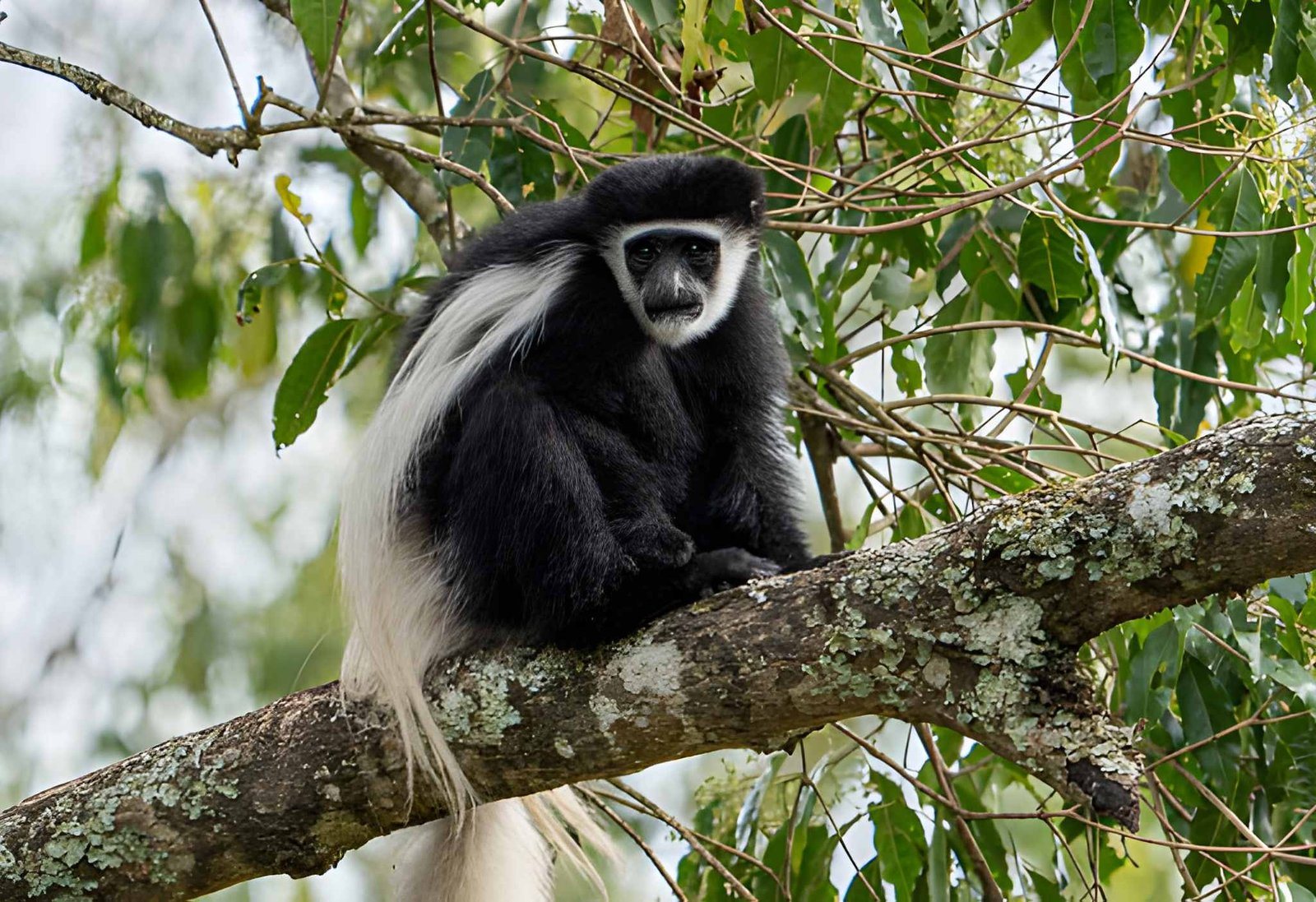
Walking & canoe safaris, colobus
Forests, crater lakes and the slopes of Mount Meru, less than an hour from Arusha — walk, canoe and drive among giraffes, colobus monkeys and flaming…
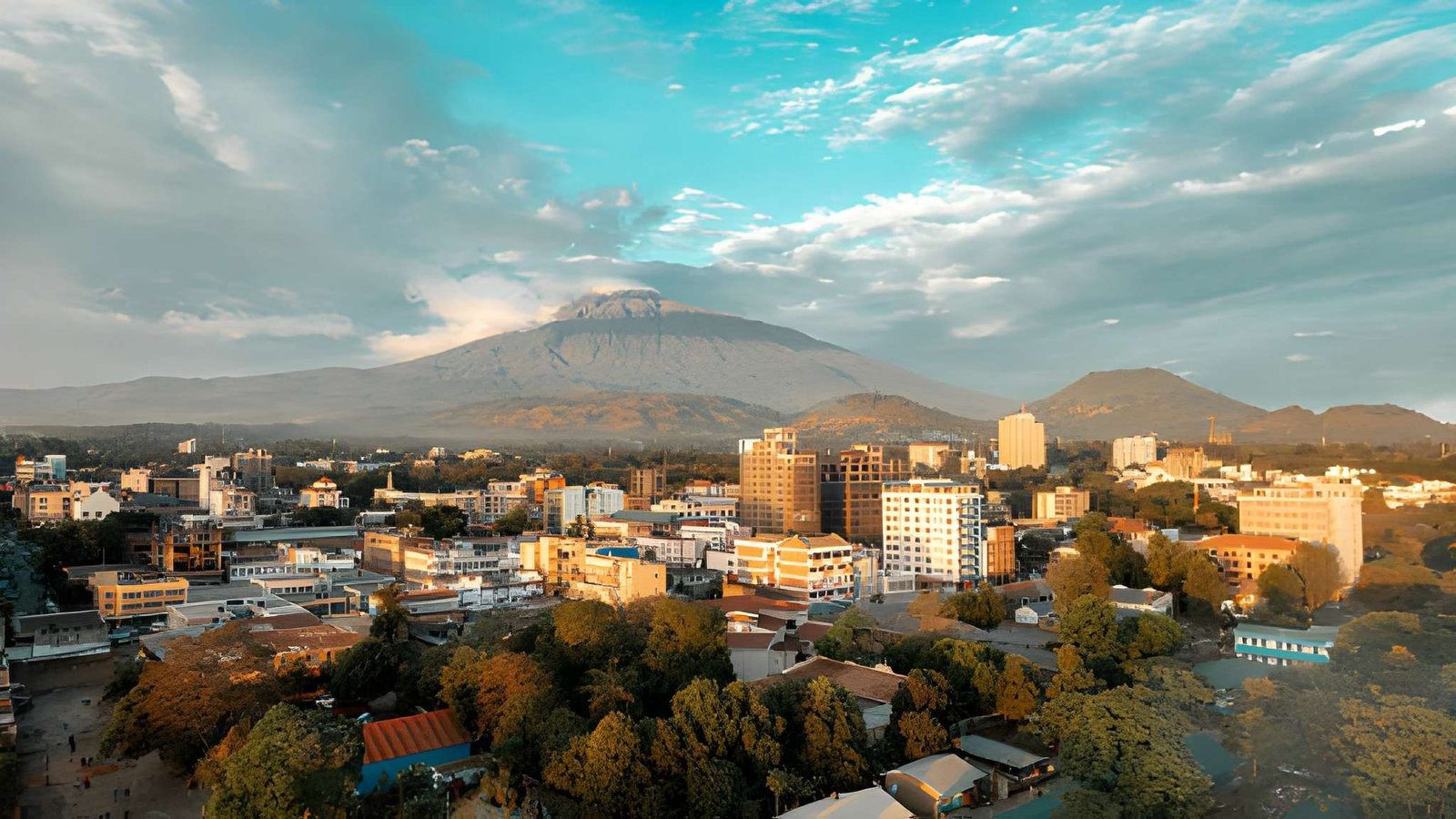
Coffee farms, culture, first night
Tanzania’s safari capital at the foot of Mount Meru — a lively, green city of coffee farms, markets and culture, and the starting point for journeys …
Waterfalls, coffee, hot springs
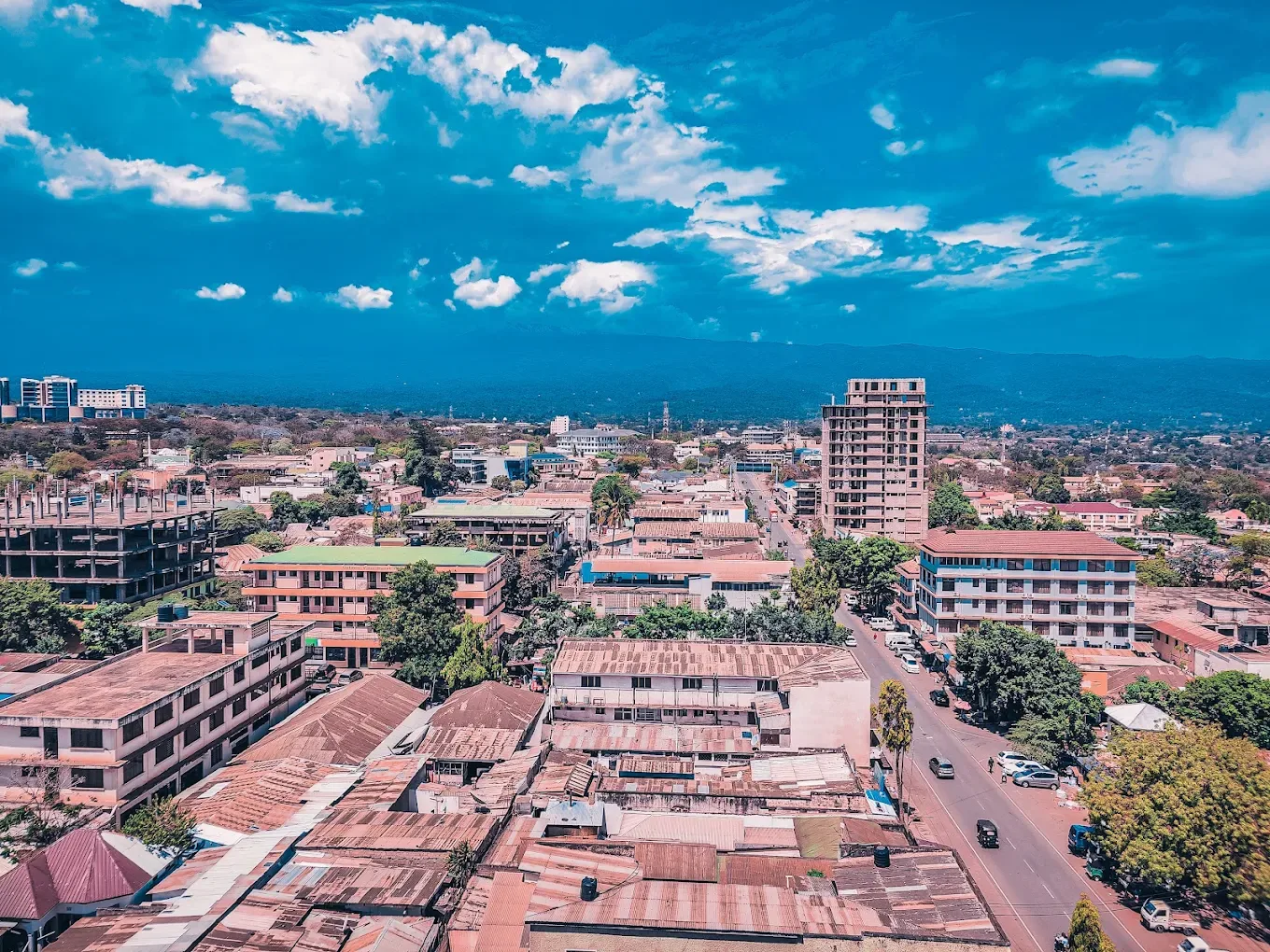
Our home town at the foot of Kilimanjaro — waterfalls, coffee farms, hot springs and crater lakes, with Africa’s highest mountain watching over every…
Can’t find your answer? Our team in Moshi is happy to help.
Ask on WhatsAppBetween six and nine days depending on the route. More days mean better acclimatisation and a higher chance of reaching the summit — we usually recommend seven or eight.
Machame and Lemosho are favourites for scenery and acclimatisation. Rongai is drier and quieter, Marangu has huts, and the Northern Circuit is the longest and most gradual.
No technical climbing is required. You need good general fitness, determination and to follow your guide’s advice on pace and acclimatisation.
The driest months are January to early March and June to October. April and May are the wettest.
Temperatures at Uhuru Peak are often well below freezing at night and on summit morning, especially with wind chill. Proper warm clothing is essential.
Yes — it is a very popular combination. Many climbers add three to five days on safari, or relax on Zanzibar afterwards.
Tell us your dates, your experience and the route you are considering. Our Moshi team will recommend the right climb and look after every detail.