+255 762 032 480 [email protected] Every day · 08:00 – 18:00 EAT
EN
Tanzania Safari
Tanzania safaris · Northern circuit

Tanzania Safaris – Private Serengeti & Ngorongoro Safari Tours

Private, tailor-made safaris through the Serengeti, the Ngorongoro Crater, Tarangire and Lake Manyara — planned and guided by our family-run team in Moshi.

Safari length
2–14 days
Classic parks
4
Private vehicles
100%
Local team
Moshi
Tanzania safaris · Northern circuit

A safari in northern Tanzania

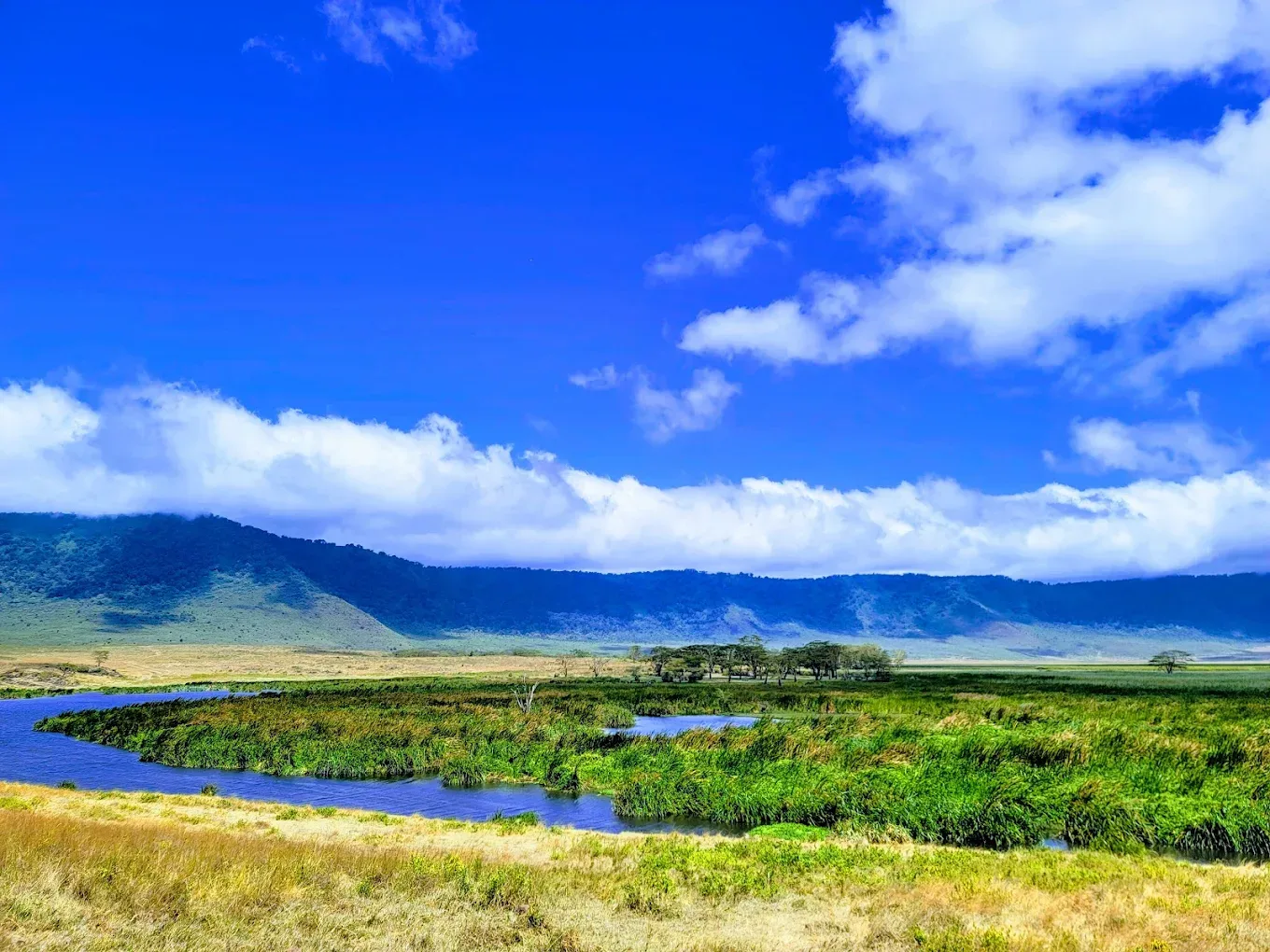
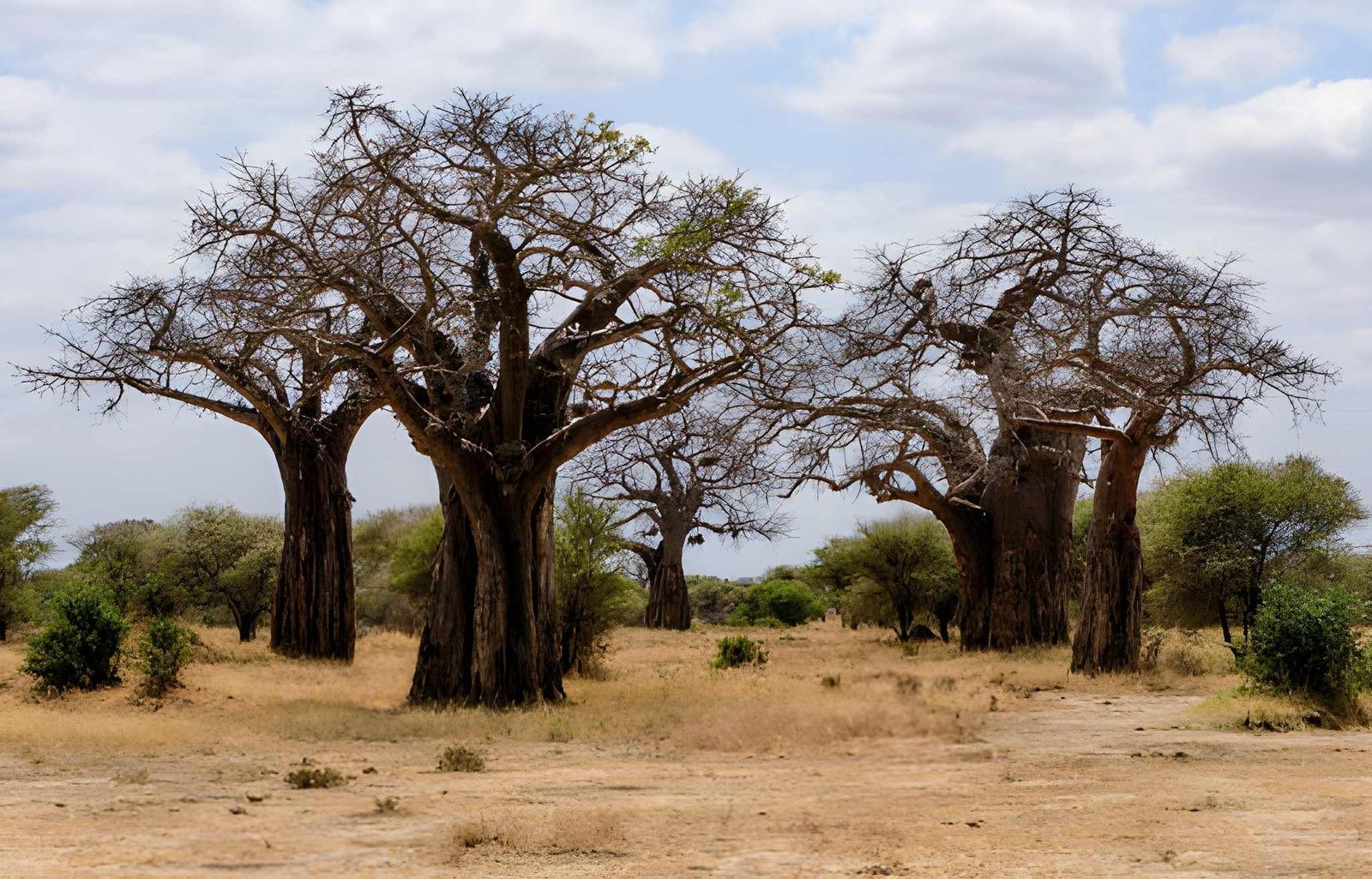
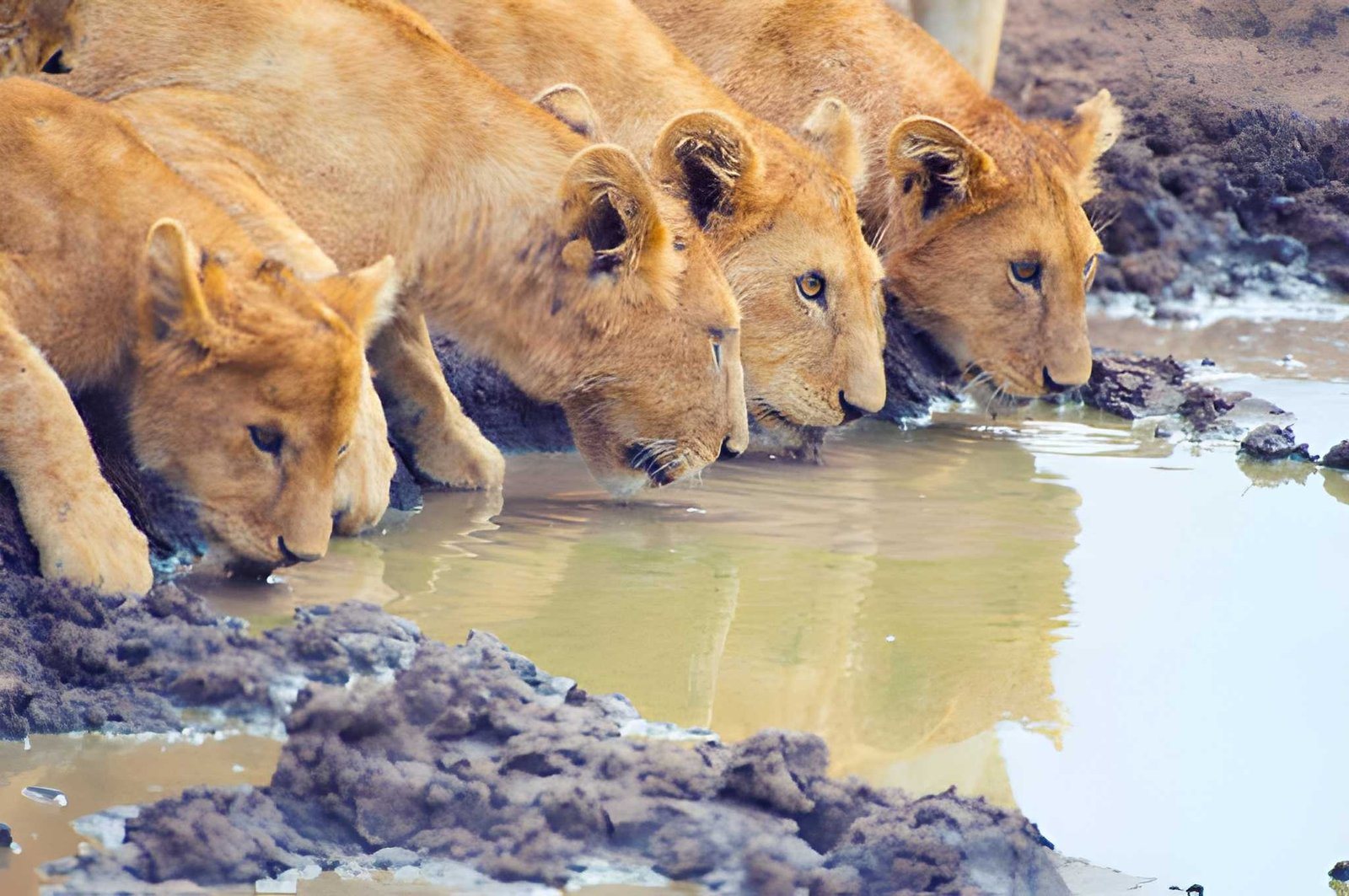
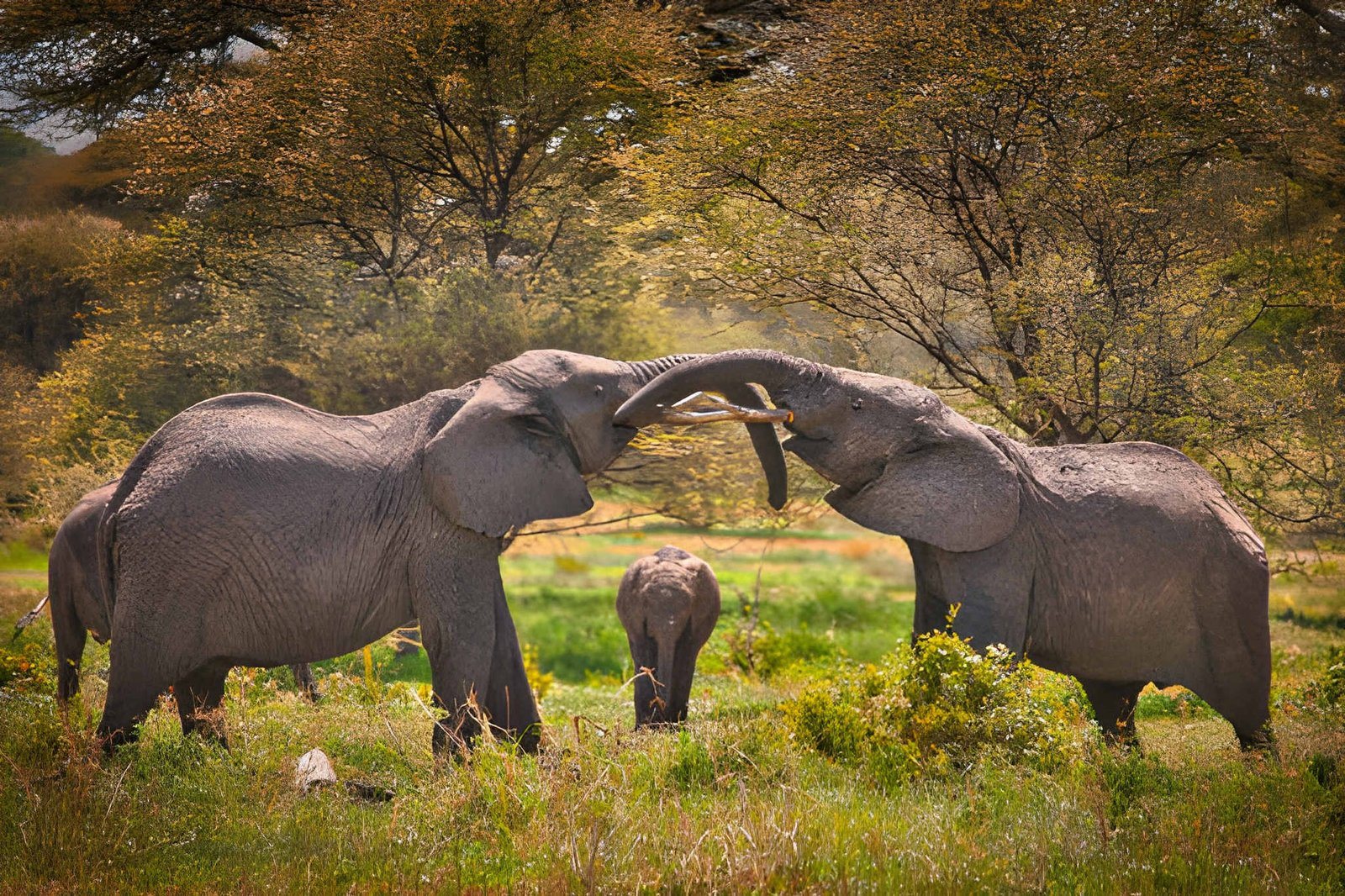
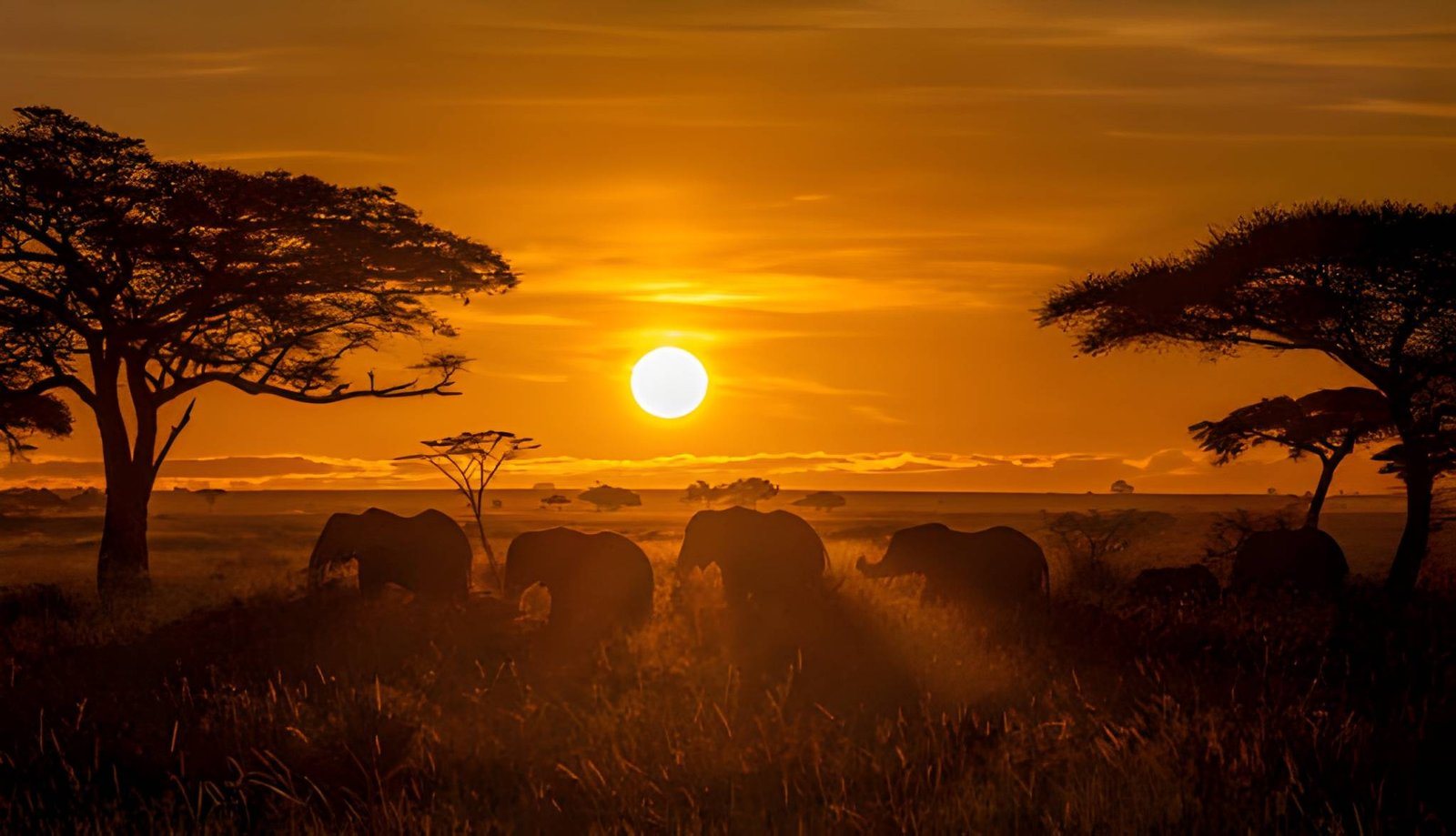
Few places on earth match northern Tanzania for wildlife. In a single journey you can watch elephant herds gather beneath ancient baobabs in Tarangire, drive down into the Ngorongoro Crater — a collapsed volcano that is home to lions, buffalo and black rhino — and follow the Great Migration across the endless plains of the Serengeti. The Serengeti and the Ngorongoro Conservation Area are both UNESCO World Heritage Sites, and together with Tarangire and Lake Manyara they form what is known as the northern safari circuit.

Every Genet Expeditions safari is private. You travel in your own 4×4 safari vehicle with a pop-up roof, with a professional driver-guide who stays with you from the first morning to the last. That means you set the pace: an early start for the best light, a long wait at a lion kill, a lazy lunch under an acacia tree. There are no fixed group schedules and no strangers to compromise with.

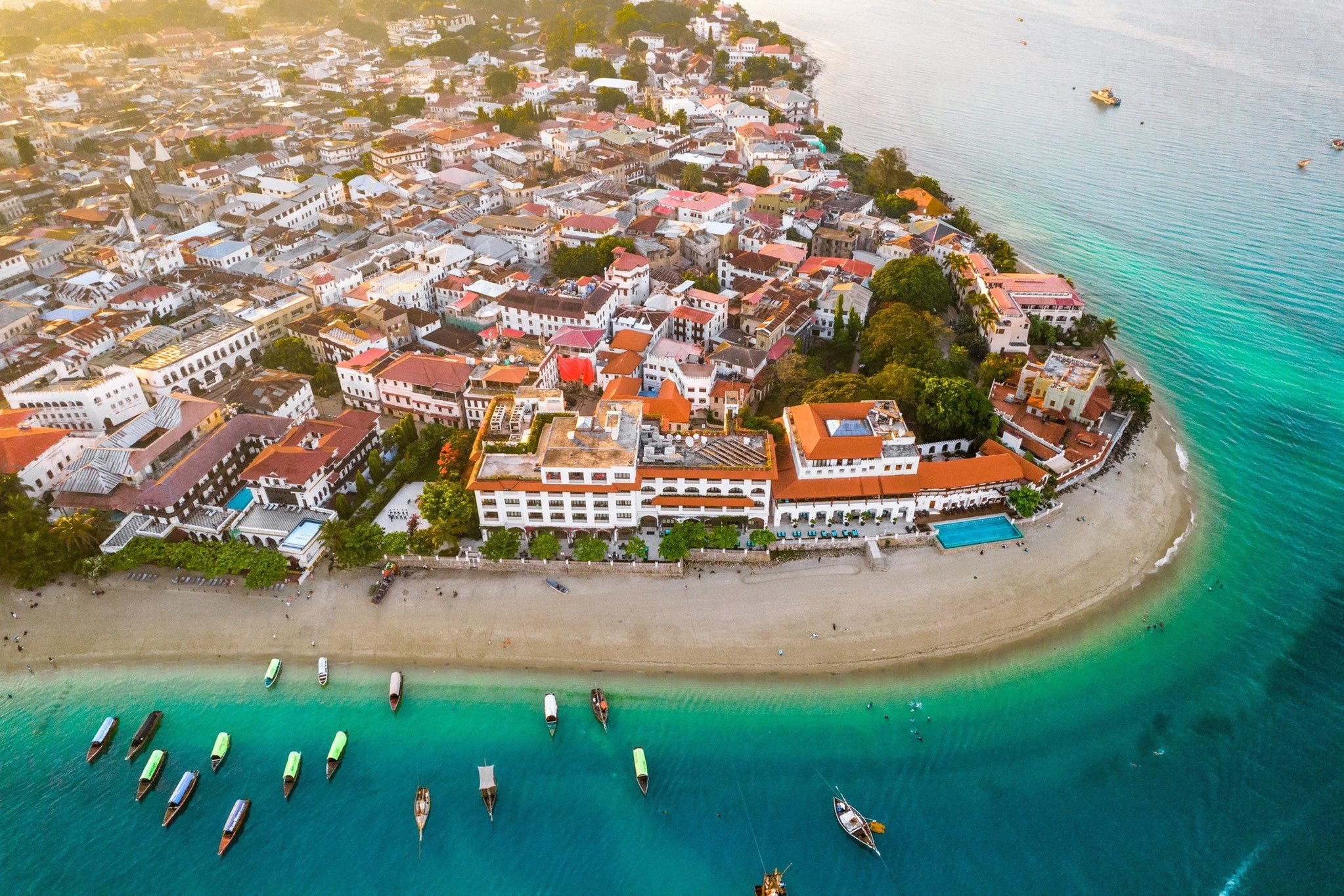
Our safaris begin and end in Arusha, the gateway to the northern parks, and most guests fly into Kilimanjaro International Airport. A short safari of two or three days gives you a taste of Tarangire and the crater; five to seven days allow time in the Serengeti, where the real magic of a Tanzania safari unfolds. Many travellers then fly to Zanzibar for a few days on the beach.

We are a family-run company based in Moshi, at the foot of Kilimanjaro. We know the parks, the lodges and the seasons first-hand, and every itinerary below can be changed — the parks, the pace, the accommodation and the length — to suit you.

Why Genet Expeditions

Safaris planned by locals

  1. 01

    Always private

    Your own vehicle and guide for the whole safari, so the day is shaped around what you want to see — never a group timetable.

  2. 02

    Guides who know the parks

    Our driver-guides grew up in northern Tanzania. They read the bush, know where the herds are moving and share the stories behind what you see.

  3. 03

    Every comfort level

    From good-value lodges to exclusive tented camps, we match the accommodation to your budget and travel style.

  4. 04

    Timed to the seasons

    We plan around the migration, the rains and the quieter months, so you are in the right place at the right time.

  5. 05

    Honest advice

    We will tell you when a shorter trip, a different park or another month would suit you better — even if it is a smaller booking.

  6. 06

    Safari & beach, one team

    Add Zanzibar, a Kilimanjaro climb or cultural day trips and we handle every flight and transfer.

Wildlife safaris

Northern Tanzania safaris, 2 to 7 days

Private safaris through Tarangire, Lake Manyara, the Ngorongoro Crater and the Serengeti, starting and ending in Arusha.

Wildlife safari

3-Day Northern Circuit Safari

Tarangire · Ngorongoro · Lake Manyara

Tarangire, the Ngorongoro Crater and Lake Manyara in three days — elephants and baobabs, a full crater morning and Rift Valley forests.

Begins
Arusha
Comfort
All tiers
Travel
Private
from $730 ppView journey

Wildlife safari

5-Day Northern Tanzania Safari

Tarangire · Serengeti · Ngorongoro · Lake Manyara

Tarangire’s baobabs, the Serengeti plains, the Ngorongoro Crater and Lake Manyara — four great parks in a private five-day safari.

Begins
Arusha
Comfort
All tiers
Travel
Private
from $1,450 ppView journey

Wildlife safari

6-Day Northern Tanzania Safari

Tarangire · Serengeti · Ngorongoro · Lake Manyara

Six days from Tarangire’s baobabs to two nights on the Serengeti plains, the Ngorongoro Crater and Lake Manyara — a private northern circui…

Begins
Arusha
Comfort
All tiers
Travel
Private
from $1,750 ppView journey

Wildlife safari

7-Day Northern Tanzania Safari

Tarangire · Serengeti · Ngorongoro · Lake Manyara · Arusha

Seven days from Tarangire’s elephants and baobabs to two nights on the Serengeti plains, the Ngorongoro Crater and Lake Manyara — at a rela…

Begins
Arusha
Comfort
All tiers
Travel
Private
from $2,100 ppView journey
Bush & beach

Safari & Zanzibar combinations

The northern parks followed by white sand and warm water — connected by a short flight.

Safari guide

Planning your Tanzania safari

The questions we answer most often when guests start planning — from choosing parks to what a day on safari actually looks like.

01

Which parks should I visit?

For a first safari, the classic northern circuit is hard to beat. Tarangire is famous for its elephants and baobab trees, and is at its best in the dry season. Lake Manyara is smaller, with groundwater forest, baboons and a lake that often attracts flamingos. The Ngorongoro Crater offers a full day of game viewing on the crater floor, including one of the best chances in East Africa to see black rhino.

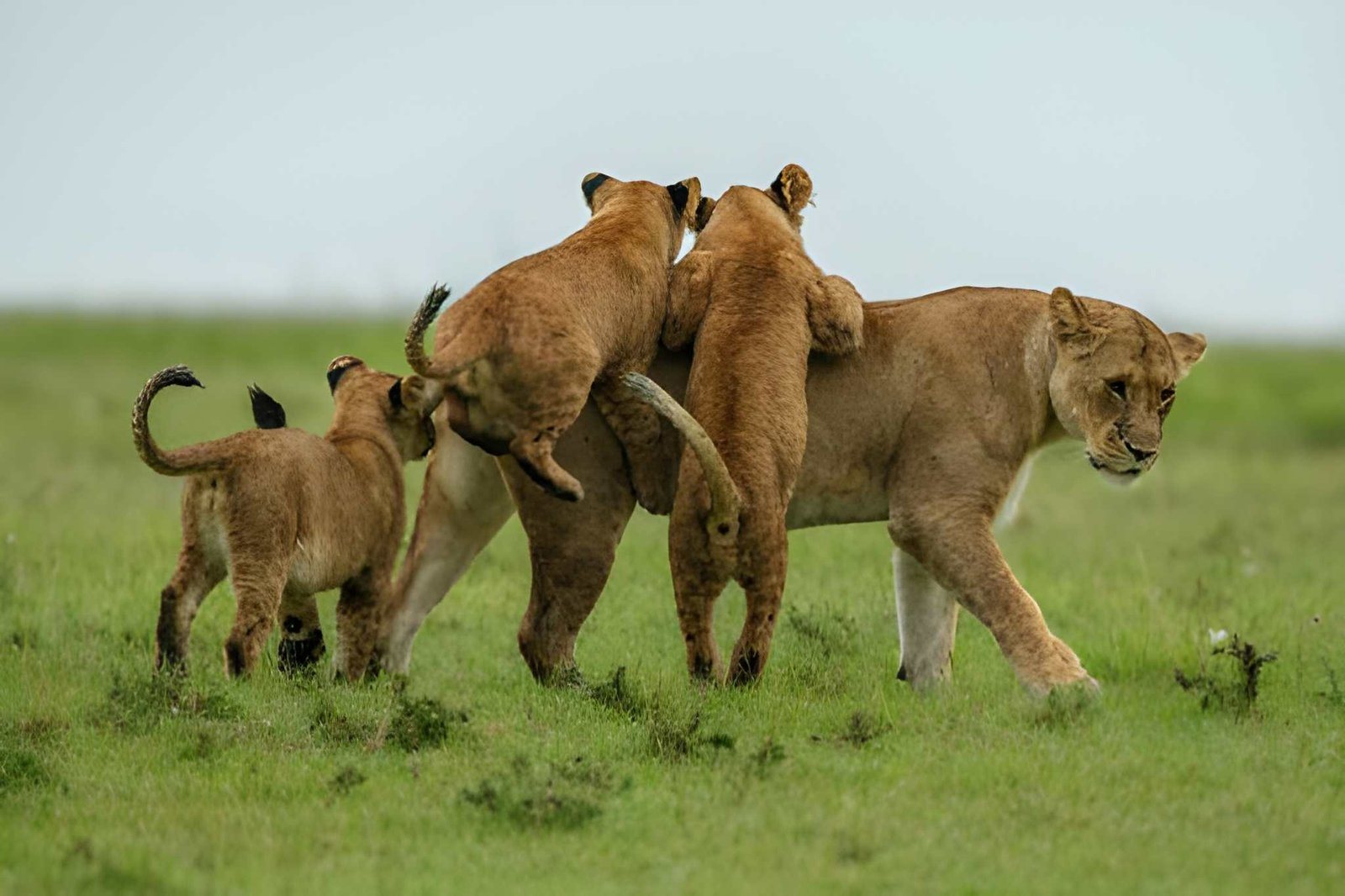
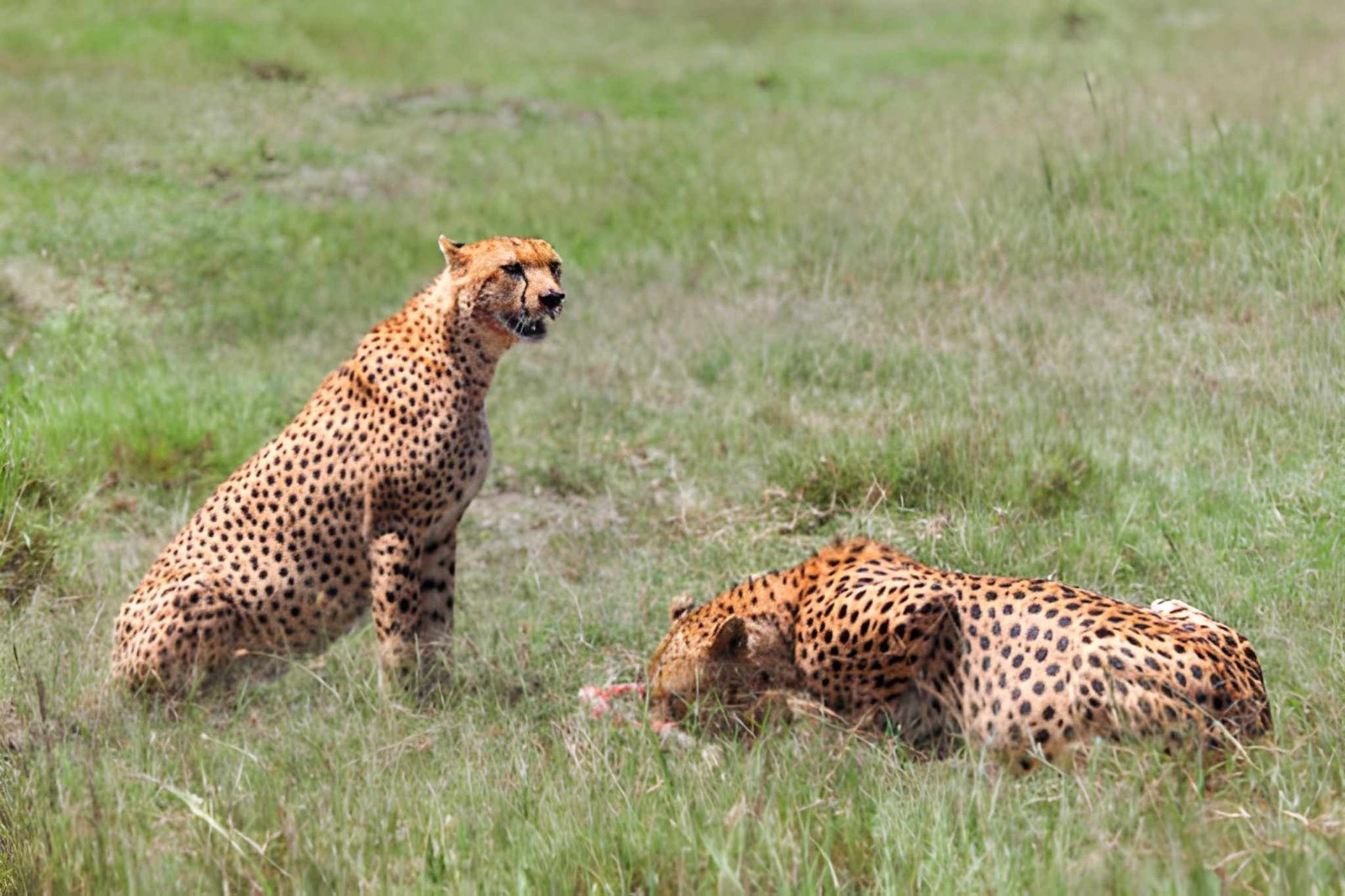
The Serengeti is the heart of any longer safari. Its central Seronera valley has resident big cats all year, while the Great Migration moves between the southern plains, the western corridor and the northern Mara River through the year. We recommend at least two, and ideally three or more, nights in the Serengeti.

02

How many days do I need?

Two or three days are enough for Tarangire and the Ngorongoro Crater — a good option if you are combining a safari with a climb or a beach holiday. Five days add the Serengeti, though the drive there and back takes time. Six to eight days is ideal: enough to explore the Serengeti properly, with one or two nights each in Tarangire and the Ngorongoro area.

If time is short, flying between Arusha and the Serengeti airstrips saves a long day on the road and allows more time watching wildlife.

03

What does a day on safari look like?

Most days begin early, with coffee as the sun rises and a game drive in the cool morning, when predators are most active. You might return to your lodge for brunch and a rest during the heat of the day, or take a picnic lunch and stay out all day where the wildlife is. Afternoon drives continue until the park closes at sunset, and evenings are spent around the fire or at dinner, sharing stories from the day.

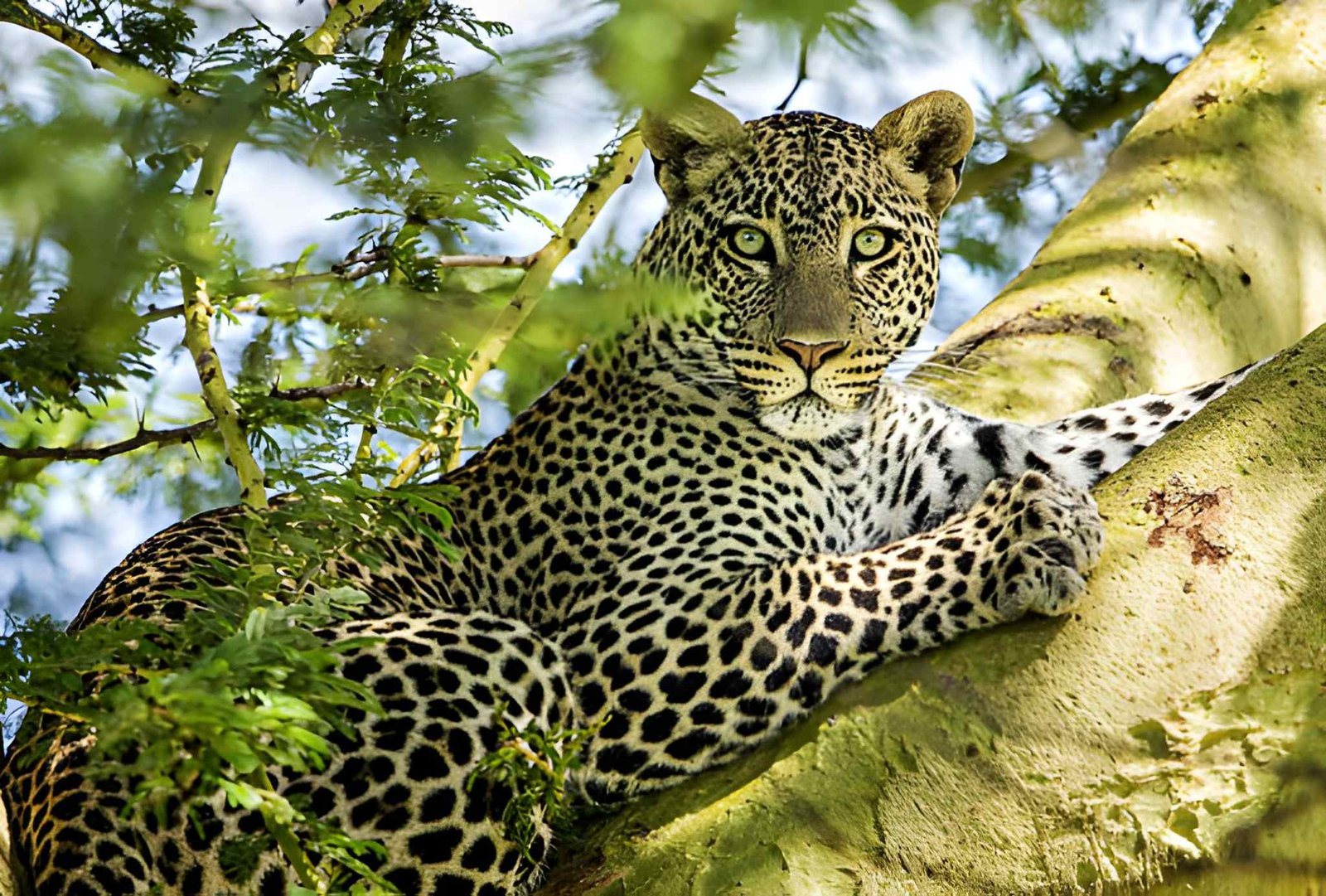
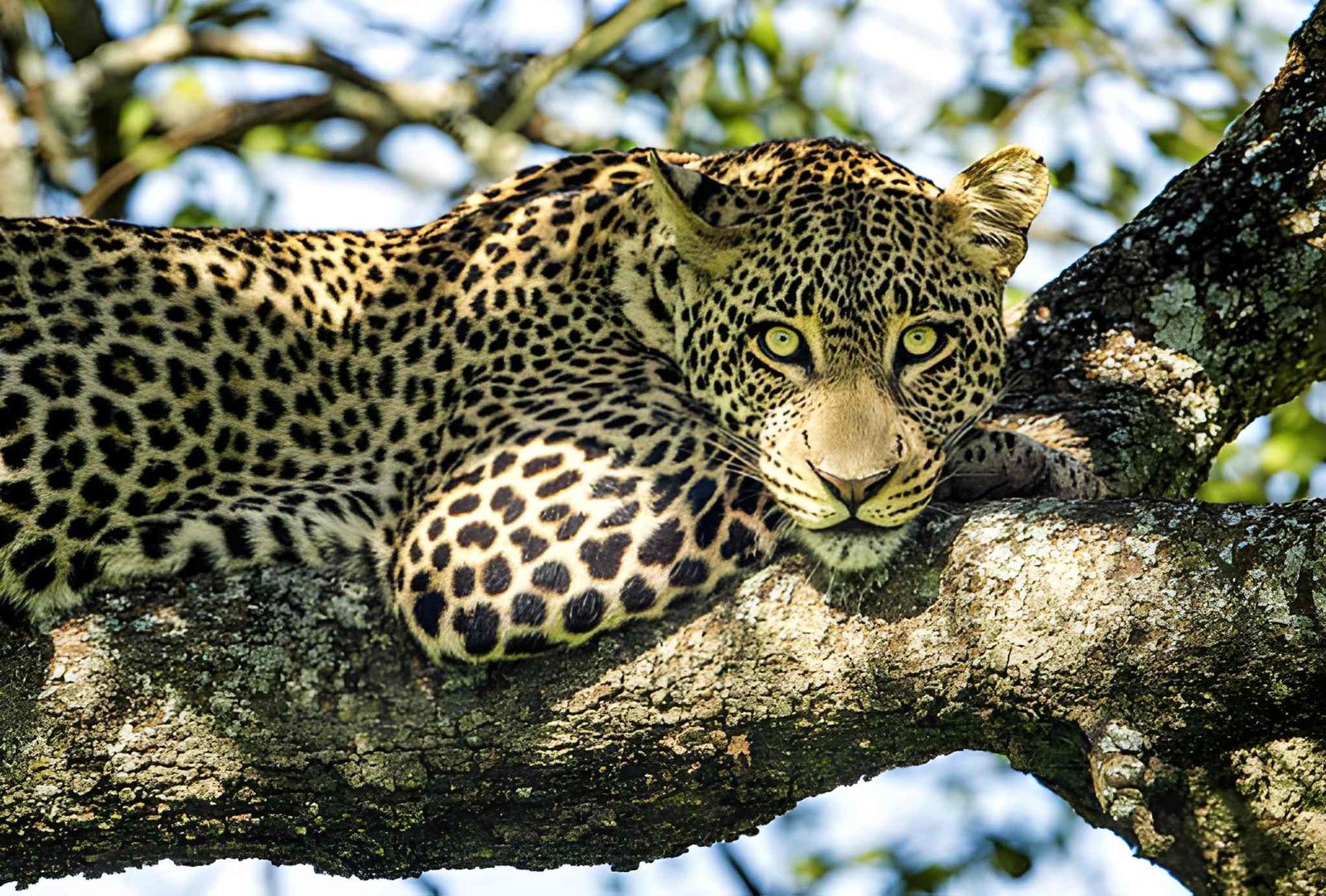
Your guide adapts the plan to the wildlife and to you. If you want to wait for a leopard to come down from a tree, you can.

04

Where will I stay?

Accommodation ranges from comfortable mid-range lodges to intimate luxury tented camps with private plunge pools. Staying inside or close to the parks means more time with the wildlife and less time driving. Browse our hand-picked lodges and camps — from Tarangire Simba Lodge to Singita Mara River Tented Camp — and we will suggest the best combination for your route, season and budget.

05

What affects the cost of a safari?

The main factors are the length of the safari, the comfort level of the lodges, the season and the number of people sharing a vehicle. Park and conservation fees are a significant part of every safari and are set by the authorities, so they are the same whichever company you choose. Flying to the Serengeti costs more than driving but saves time.

We always send a clear, itemised quote that shows exactly what is included — park fees, accommodation, meals, your vehicle and guide, drinking water and transfers — so there are no surprises.

06

Can I combine a safari with the beach or Kilimanjaro?

Yes — this is one of the great joys of Tanzania. Scheduled flights connect Arusha, Kilimanjaro and the Serengeti with Zanzibar, so you can be on the beach the afternoon your safari ends. Climbers often follow a Kilimanjaro climb with a few days of gentle game drives, and our day trips add culture, coffee farms and waterfalls around Moshi and Arusha.

Compare

Northern circuit parks at a glance

A quick way to see what each park offers. Travel times are approximate and depend on road conditions and stops for wildlife.

ParkBest forBest timeSuggested stay
Tarangire Elephant herds, baobabs, birdlife June – October 1–2 nights
Lake Manyara Forest, baboons, birds, scenery All year Half day – 1 night
Ngorongoro Crater Black rhino, lions, a full day on the crater floor All year 1–2 nights
Serengeti Great Migration, big cats, open plains All year — follow the herds 2–4 nights
Arusha National Park Walking safaris, canoeing, colobus monkeys All year Day trip
How it works

From first idea to first game drive

  1. 1

    Tell us your plans

    Share your dates, interests and budget — by form, email or WhatsApp. We reply within 24 hours.

  2. 2

    Receive your itinerary

    We suggest a route, lodges and timing, with a clear quote. Change anything until it is right.

  3. 3

    Confirm & prepare

    We book lodges, flights and park permits and send practical advice on visas, health and packing.

  4. 4

    Meet your guide

    We meet you at the airport and your private guide takes it from there — with our team on call throughout.

Guest reviews

In our guests’ words

When to go

The best time for a Tanzania safari

There is no bad time for a safari in northern Tanzania, but each season offers something different. The dry season from June to October is the classic time to travel: vegetation thins, animals gather near water and game viewing is excellent everywhere. It is also the busiest season, so we recommend booking well ahead.

January to March is the calving season in the southern Serengeti, when hundreds of thousands of wildebeest give birth and predators follow close behind. The long rains of April and May bring lush scenery, fewer visitors and lower prices at many lodges, while the short rains of November and December usually fall as brief afternoon showers.

Serengeti National Park · seasons by month
  1. Jan
  2. Feb
  3. Mar
  4. Apr
  5. May
  6. Jun
  7. Jul
  8. Aug
  9. Sep
  10. Oct
  11. Nov
  12. Dec
  • Dry season
  • Green season
  • Short rains
  • Long rains
Month-by-month guide to Serengeti National Park →
Questions

Tanzania safari FAQs

Still have a question? Our team in Moshi answers within 24 hours.

Ask on WhatsApp
What is the best Tanzania safari for first-timers?

A six to eight day northern circuit safari — Tarangire, the Ngorongoro Crater and two or three nights in the Serengeti — gives the best balance of wildlife, scenery and comfortable travel times.

Are your safaris private?

Yes. Every safari includes your own vehicle and driver-guide. If you are travelling alone and would like to share costs, ask us about joining a group departure.

Can I see the Big Five in Tanzania?

Yes. Lion, leopard, elephant and buffalo are seen across the northern parks, and the Ngorongoro Crater is one of the best places in East Africa to see black rhino.

When can I see the Great Migration?

The herds are in the Serengeti all year but move with the rains: calving in the south from around January to March, the western corridor around May to July, and the Mara River crossings in the north from around July to October. See our Great Migration safaris.

Is a Tanzania safari suitable for children?

Yes. Private vehicles let you set a pace that suits children, and many lodges welcome families. Some camps have minimum ages, which we check for you. See our family safaris.

Do I need a visa to visit Tanzania?

Most visitors need a visa, which can be applied for online through the official Tanzania e-visa website. Requirements change, so please check before you travel.

What should I pack for a safari?

Neutral-coloured, light layers, a warm fleece for early mornings, a sun hat, sunscreen, binoculars and a camera. Soft-sided bags are best, and essential if you take light-aircraft flights.

Start planning

Start planning your Tanzania safari

Tell us when you would like to travel and what you would love to see. Our team in Moshi will reply within 24 hours with ideas and a tailored quote.

WhatsApp us

We reply within 24 hours. Your details are only used to plan your trip.