


+255 762 032 480 [email protected] Every day · 08:00 – 18:00 EAT
EN
Kilimanjaro packing
Travel guide · Kilimanjaro

Kilimanjaro Climbing Preparation & Packing

Climbing Africa’s highest mountain needs no technical skill — but good preparation makes all the difference on summit night.

11 min read · Reviewed October 2026
Summit
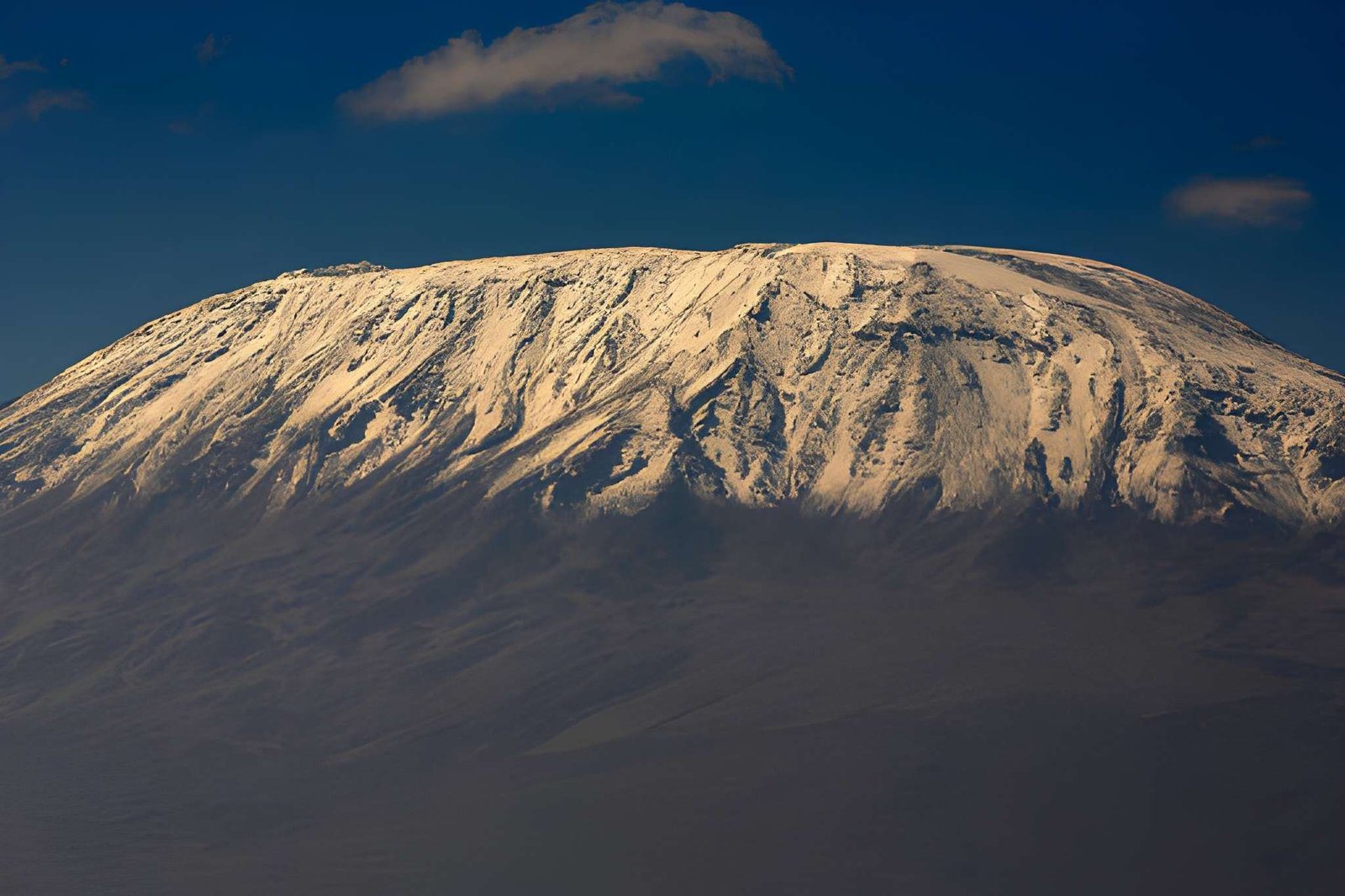
Uhuru Peak · 5,895 m
Best months
Jan – mid-Mar · Jun – Oct
Recommended length
7 – 9 days
Training
8 – 12 weeks
Travel guide

Kilimanjaro Climbing Preparation & Packing

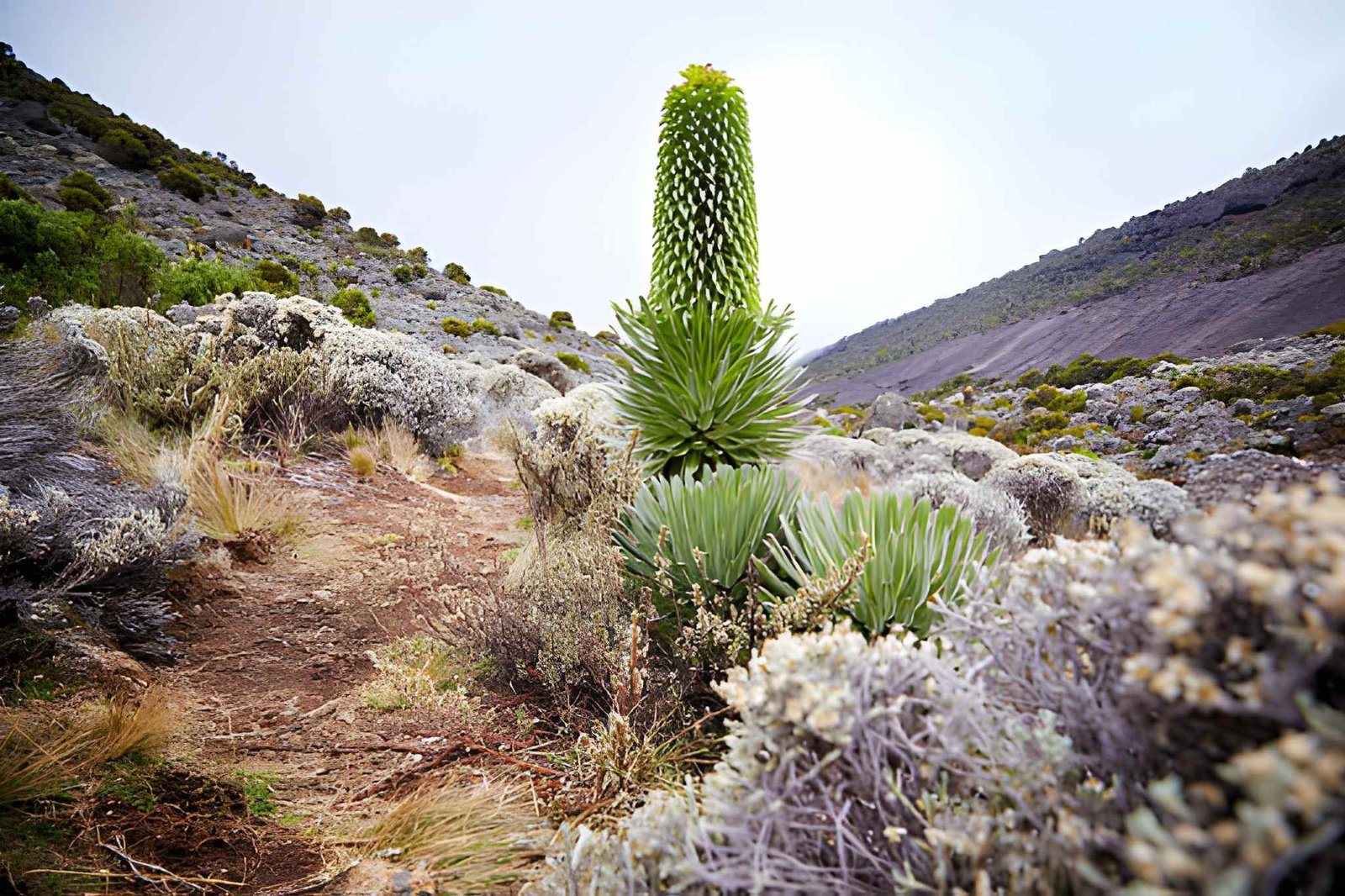
Kilimanjaro is a walk, not a technical climb, which is why so many people dream of reaching Uhuru Peak at 5,895 m. But it is a serious high-altitude trek: you pass through rainforest, moorland, alpine desert and arctic summit zones in a few days, and the summit night is long, cold and demanding. The climbers who succeed are rarely the fittest — they are the ones who prepare well, choose enough days on the mountain and walk slowly.

This guide shares what our Moshi-based team has learned from guiding climbers on every route: how to train, how to choose your route, how altitude affects you, what summit night is really like, what to pack and how to look after your mountain crew.

01

How fit do you need to be?

You do not need climbing experience, but you do need good general fitness and, above all, the endurance to walk for six to eight hours a day for several days in a row — and up to 16 hours on summit day. Start training eight to twelve weeks before your climb and build up gradually.

  • Regular hikes of 4–8 hours on hilly ground
  • Back-to-back long walks at weekends
  • Stairs or hill walking with a loaded daypack
  • Cardio such as cycling, running or swimming, 3–4 times a week
  • Leg and core strength exercises
  • Walking in the boots you will climb in
Tip from our team

The best training is long, slow hiking with your daypack and boots. Comfortable feet and steady stamina matter more than speed.
02

Choosing your route and length

The number of days matters more than the route itself. Longer itineraries give your body more time to adapt to altitude and significantly improve your chances of reaching the summit. We recommend at least seven days for most climbers.

  • Lemosho (7–8 days): scenic and quieter, with excellent acclimatisation — our favourite all-rounder.
  • Machame (6–7 days): varied and popular, with the “climb high, sleep low” profile of the Barranco Wall.
  • Northern Circuit (9 days): the longest and quietest route, with the best acclimatisation.
  • Rongai (6–7 days): a gentler approach from the north, good in the rainy season.
  • Marangu (5–6 days): the only route with huts, but a faster profile.
  • Umbwe (5–6 days): steep and direct — only for experienced trekkers.
Tip from our team

Compare every route on our Kilimanjaro climbing page — and if you are unsure, choose one extra day.

03

Altitude and acclimatisation

As you climb, the air holds less oxygen, and your body needs time to adjust. Mild symptoms of acute mountain sickness — headache, tiredness, poor sleep, loss of appetite and slight nausea — are common and usually ease with rest and hydration. Your guides check your oxygen saturation and pulse twice a day and ask how you feel.

Severe altitude illness (HAPE and HACE) is rare but dangerous. Warning signs include breathlessness at rest, a persistent cough, confusion, loss of coordination and a severe headache that does not improve. The only reliable treatment is descent, and your guide’s decision to descend is final.

  • Walk slowly — “pole pole” — from the very first day
  • Drink 3–4 litres of water a day
  • Eat well, even when you do not feel hungry
  • Climb high and sleep low where the route allows
  • Tell your guide honestly how you feel
  • Ask your doctor about acetazolamide (Diamox) before you travel
04

What summit night is like

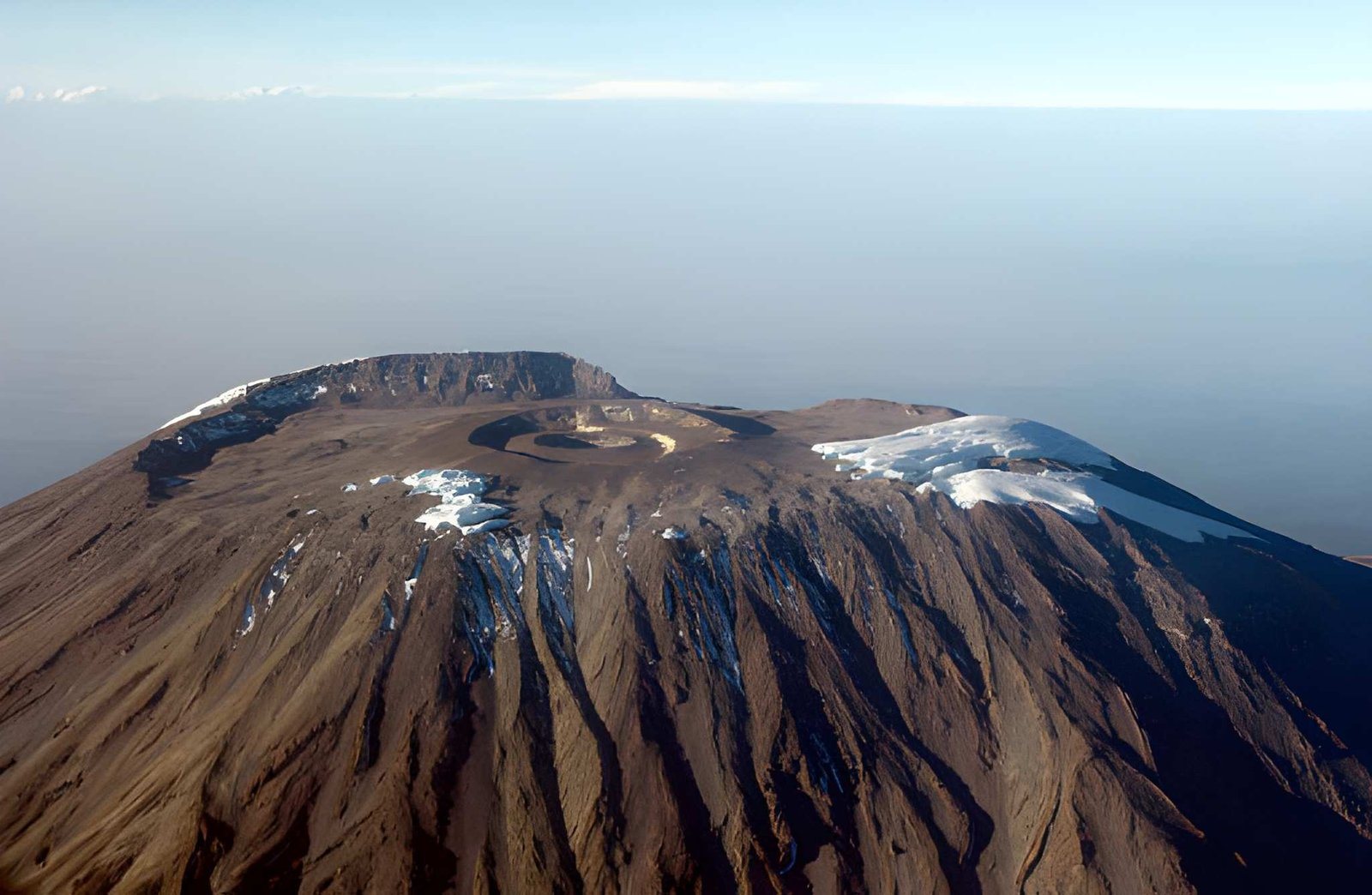
Summit night usually starts around midnight from your high camp. You climb by headlamp for six to eight hours on steep volcanic scree in temperatures that can fall to −10 °C or lower with wind chill, reaching Stella Point or Gilman’s Point on the crater rim around sunrise, then continue along the rim to Uhuru Peak. After photographs, you descend to a lower camp — a total of 12 to 16 hours or more.

It is the hardest part of the climb, mentally as much as physically. Your guides set a steady rhythm, take regular short breaks and watch everyone closely.

Tip from our team

Keep your water bottles inside your jacket or use insulated covers — tubes on hydration bladders freeze easily on summit night.

05

Clothing: the layering system

You will walk through every climate from humid rainforest to arctic summit, so dress in layers you can add or remove easily.

  • Base layers: moisture-wicking tops and leggings (not cotton)
  • Mid layers: fleece jacket and trekking trousers
  • Insulation: a warm down or synthetic jacket for camp and summit
  • Shell: waterproof, breathable jacket and over-trousers
  • Warm hat, sun hat, buff and balaclava
  • Thin liner gloves and warm insulated gloves or mittens
  • Hiking socks and liner socks — several pairs
  • Waterproof, broken-in hiking boots and camp shoes
06

Your Kilimanjaro packing list

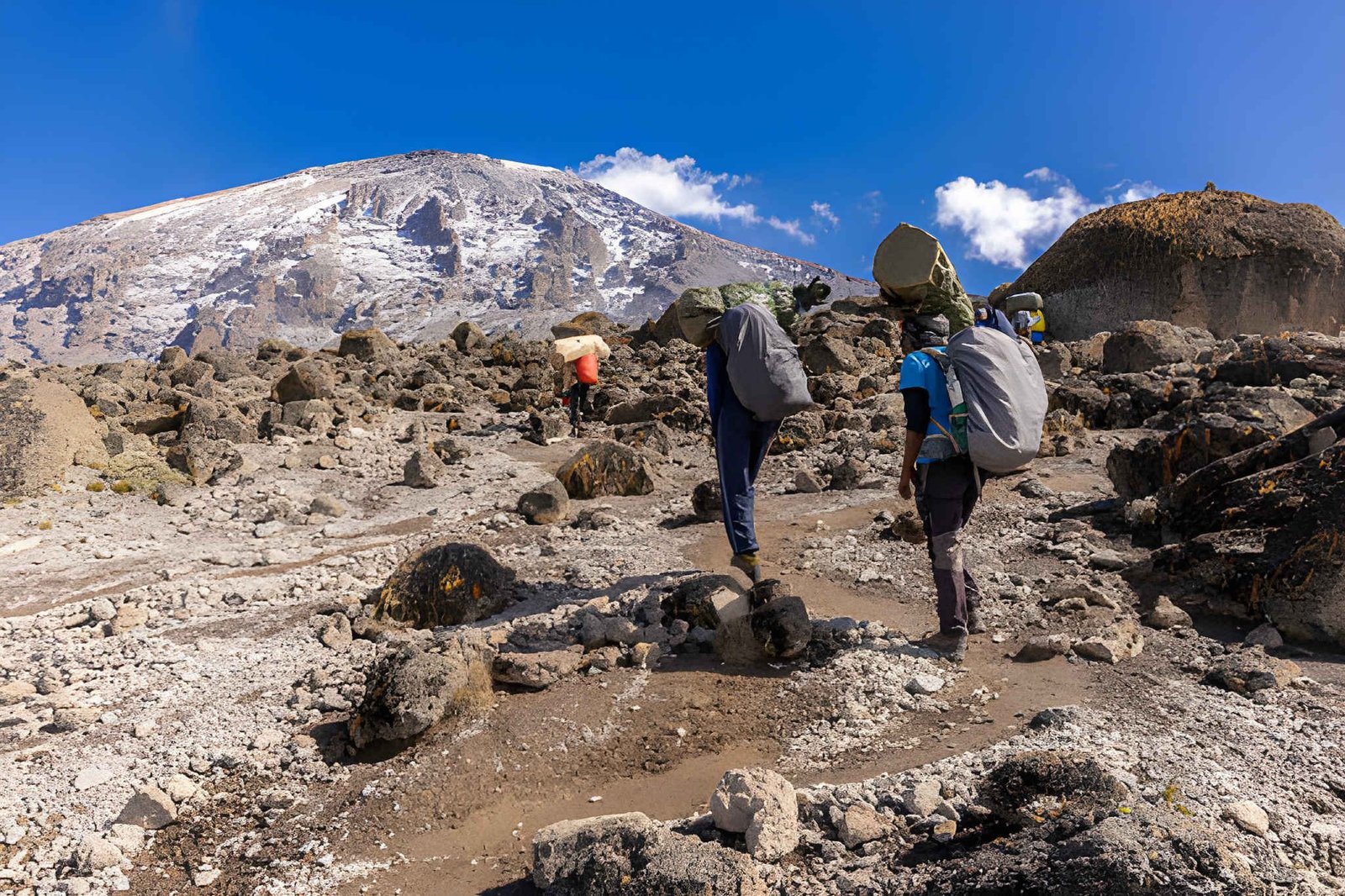
Porters carry your main bag (usually a soft duffel of up to 15 kg); you carry a daypack with what you need during the day.

  • Sleeping bag rated to about −10 °C or colder
  • Daypack of 30–35 litres with rain cover
  • Trekking poles
  • Headlamp with spare batteries
  • Water bottles or bladder for 3 litres, with insulated covers
  • Sunglasses with strong UV protection
  • Sunscreen and lip balm with SPF
  • Personal first-aid kit and medication
  • Wet wipes, hand sanitiser and toilet paper
  • Snacks and energy bars
  • Power bank and charging cables
  • Waterproof bags for clothes and electronics
Tip from our team

Sleeping bags, poles, jackets and other gear can be hired in Moshi — ask us to reserve what you need when you book.

07

Health, insurance and documents

See your doctor before the climb, especially if you have a heart, lung or blood-pressure condition, and discuss altitude medication and vaccinations. Your travel insurance must specifically cover trekking up to 6,000 m, including helicopter evacuation and medical treatment. Bring your passport, visa, insurance details and any prescriptions, and leave a copy of your documents with someone at home.

08

Tipping your mountain crew

Your crew — guides, assistant guides, cook and porters — work extremely hard, and tips are an important part of their income. Tips are given at the end of the climb, ideally directly to each crew member. As a widely used guideline, per day for the whole group:

  • Lead guide: about US$20–25 per day
  • Assistant guide: about US$15–20 per day
  • Cook: about US$12–15 per day
  • Each porter: about US$8–10 per day
Tip from our team

We give you the exact size of your crew before the climb so you can plan your tips, and we follow the Kilimanjaro Porters Assistance Project’s guidelines on fair wages, loads and equipment.

09

Climbing responsibly

Kilimanjaro’s fragile environment and its porters deserve respect. Our porters are paid fair wages, carry limited loads, and are given proper food, shelter and equipment. On the mountain, please carry out all your rubbish, use the toilets provided, stay on the trails and never leave anything behind.

Questions

Frequently asked questions

Can’t find your answer? Our team in Moshi is happy to help.

Ask on WhatsApp
How hard is it to climb Kilimanjaro?

It is non-technical but physically demanding because of the altitude and the long summit day. Good fitness, enough days and a slow pace are the keys to success.

How many days should I take?

At least seven days. Longer routes give your body more time to acclimatise and improve your chances of reaching the summit.

Can I rent gear in Moshi?

Yes — sleeping bags, jackets, poles and more can be hired. Tell us what you need when you book.

What is the best route for beginners?

The 8-day Lemosho or 7-day Machame routes, which offer good acclimatisation and beautiful scenery.

How much should I tip on Kilimanjaro?

As a guideline, about US$20–25 per day for the lead guide, US$15–20 for assistant guides, US$12–15 for the cook and US$8–10 for each porter, shared across your group.

Do I need special insurance?

Yes — your insurance must cover trekking to 6,000 m, including helicopter evacuation and medical treatment.

Put it into practice

Recommended journeys

Start planning

Plan your Tanzania journey

Tell us your dates and interests — our family-run team in Moshi will help with seasons, routes and practical details, and reply within 24 hours.

WhatsApp us

We reply within 24 hours. Your details are only used to plan your trip.