


+255 762 032 480 [email protected] Every day · 08:00 – 18:00 EAT
EN
Ngorongoro cr (5)
Travel guide · Seasons & weather

Best Time to Visit Tanzania

There is no bad time to visit Tanzania — only different seasons with different rewards. Here is how to choose yours.

9 min read · Reviewed October 2026
Dry season
June – October
Green season
November – March
Long rains
Late March – May
Calving season
January – February
Travel guide

Best Time to Visit Tanzania

Tanzania lies just south of the equator, so temperatures are pleasant for most of the year and the seasons are shaped by rain rather than by heat or cold. Broadly, the long dry season runs from June to October, the short rains fall around November and December, January to March is a warm, green and often dry spell, and the long rains arrive from about late March to May. Altitude matters as much as the calendar: Arusha, Moshi and the Ngorongoro highlands are much cooler than the coast, and mornings on the crater rim can be cold in any month.

The best time for you depends on what you want to see and do. This guide walks through each season, follows the Great Migration across the Serengeti month by month, and explains the best times to climb Kilimanjaro and relax on Zanzibar — with a planner showing the season at every destination we visit.

01

How Tanzania’s seasons work

Close to the equator, Tanzania has two rainy seasons rather than a summer and winter. The short rains usually come as afternoon showers in November and December; the long rains, from around late March to May, are heavier and more persistent. In between are two drier spells — a warm one from January to March and the long, cool dry season from June to October.

Rain rarely falls all day, and safaris run in every month. What changes is the landscape, the density of wildlife around water, the number of other vehicles and the price of lodges. Patterns also shift from year to year, so we always plan with the latest conditions in mind.

Tip from our team

Pack a warm fleece whatever the month — game drives start early, vehicles are open-roofed, and the Ngorongoro highlands sit above 2,000 m.
02

June to October: the dry season

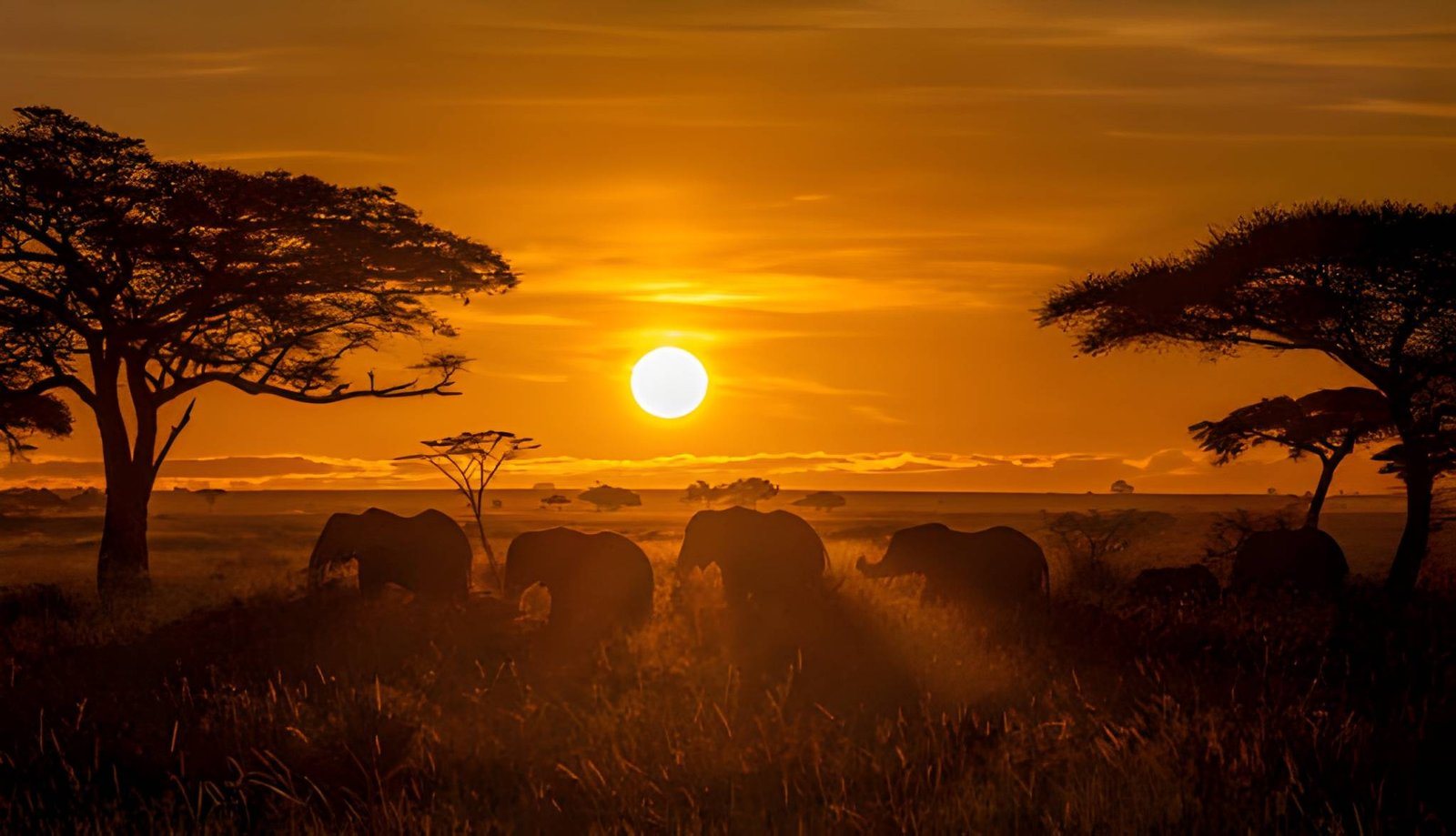
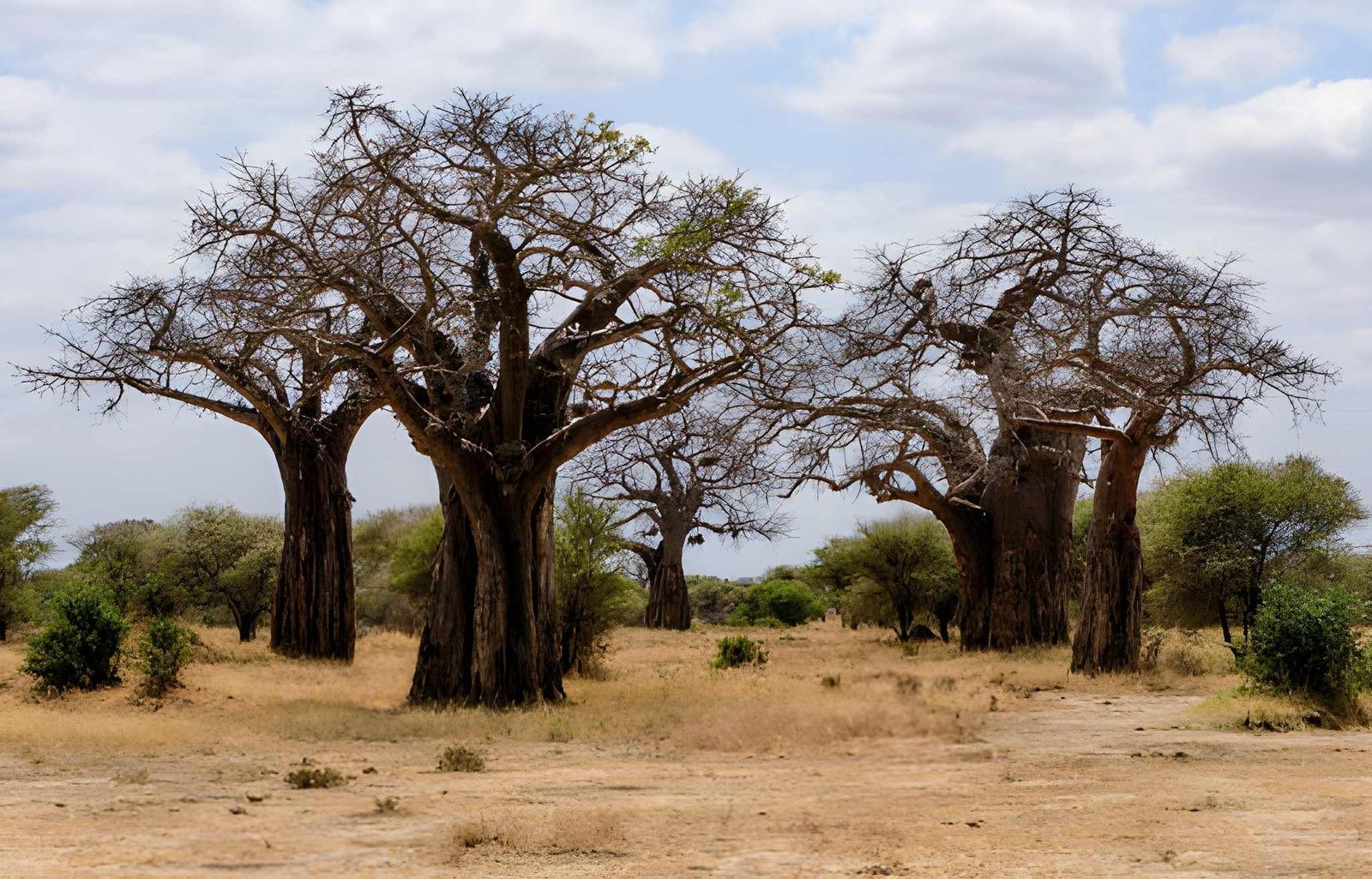
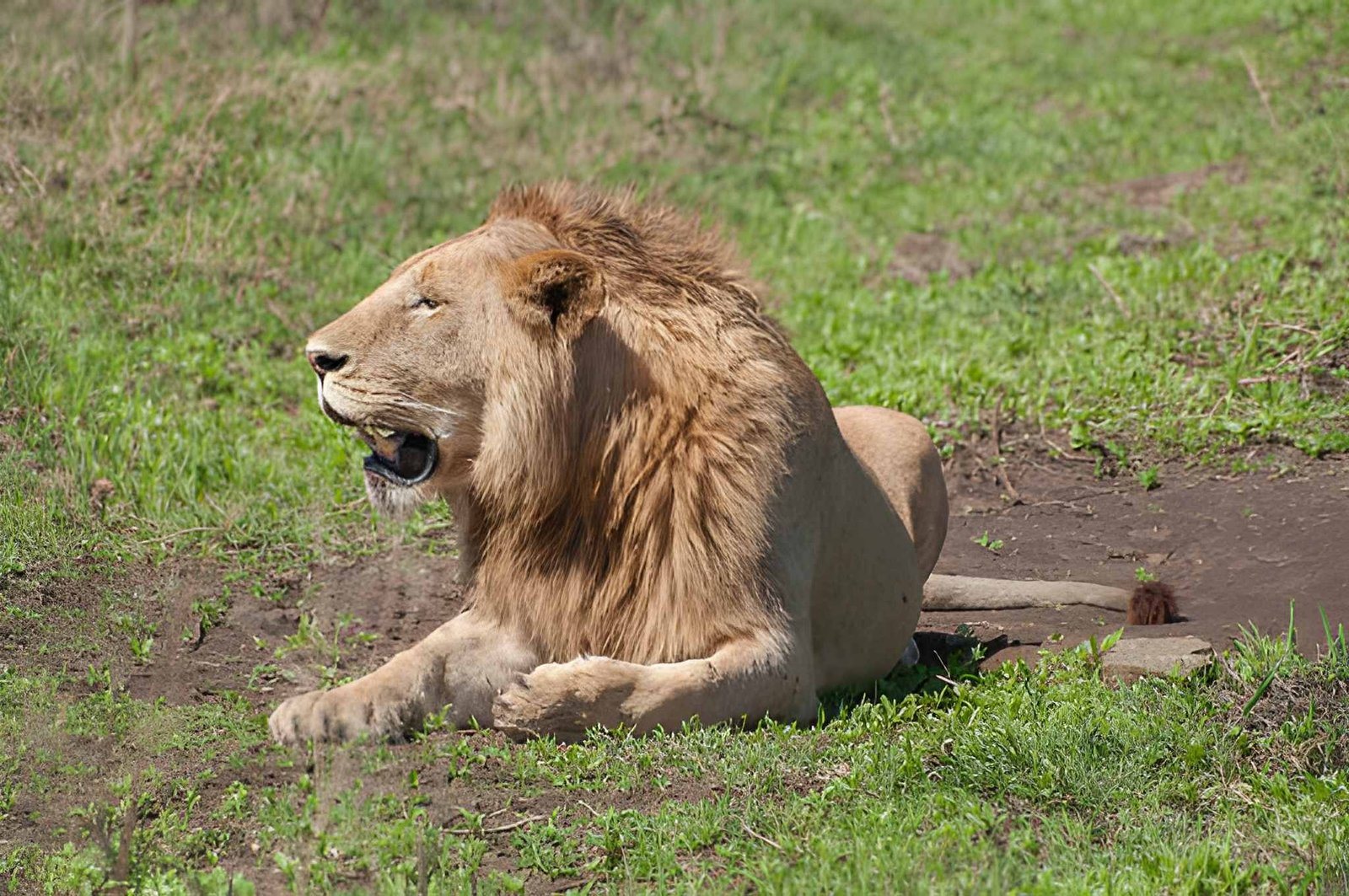
This is Tanzania’s classic safari season. With little rain, grass is short, vegetation thins and animals gather around rivers and waterholes, making them easier to find. Tarangire is at its best, with large elephant herds along the river, and the Great Migration reaches the northern Serengeti, where river crossings are possible from about July. Days are sunny and pleasant; early mornings and evenings are cool to cold.

It is also the busiest and most expensive time, especially July and August. Popular areas can be crowded, and the best camps fill up early.

  • Excellent wildlife viewing across the northern parks
  • Great Migration in the northern Serengeti (around July – October)
  • Fewer mosquitoes and comfortable temperatures
  • Peak prices and busier parks — book 6 to 12 months ahead
Tip from our team

For dry-season wildlife with fewer vehicles, consider June or late October, or spend extra nights in quieter areas such as southern Tarangire.

03

November and December: the short rains

The short rains bring brief afternoon showers and turn the dusty plains green almost overnight. The migrating herds start moving south through the eastern Serengeti towards the short-grass plains, birdlife is outstanding as migrants arrive from Europe and Asia, and the landscapes are fresh and photogenic. Outside the Christmas and New Year holidays, lodges are quieter and rates often lower.

Tip from our team

The festive weeks from about 20 December to early January are as busy as July and August, with surcharges at many lodges — plan early if you are travelling then.

04

January to March: green season and calving

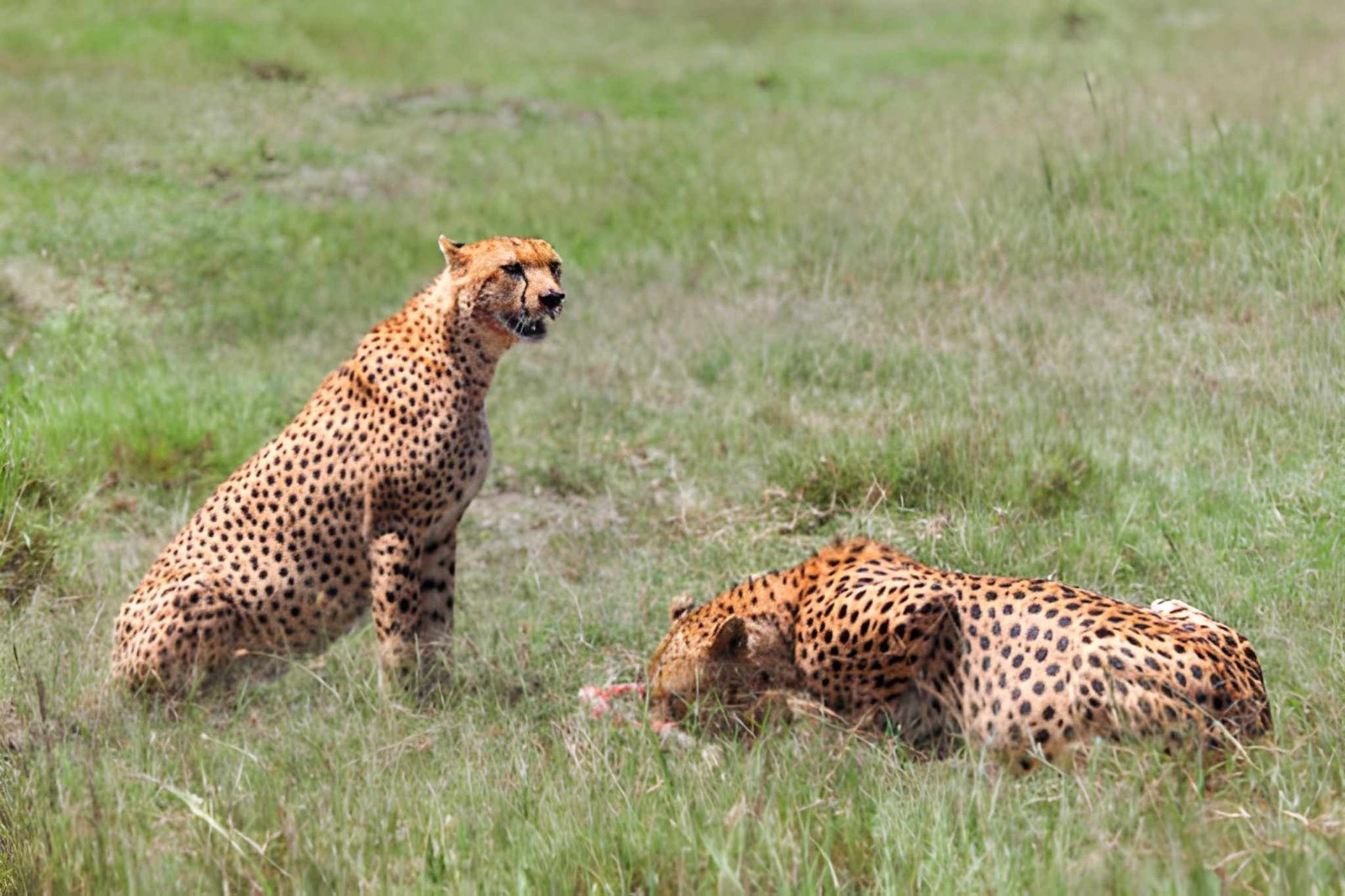
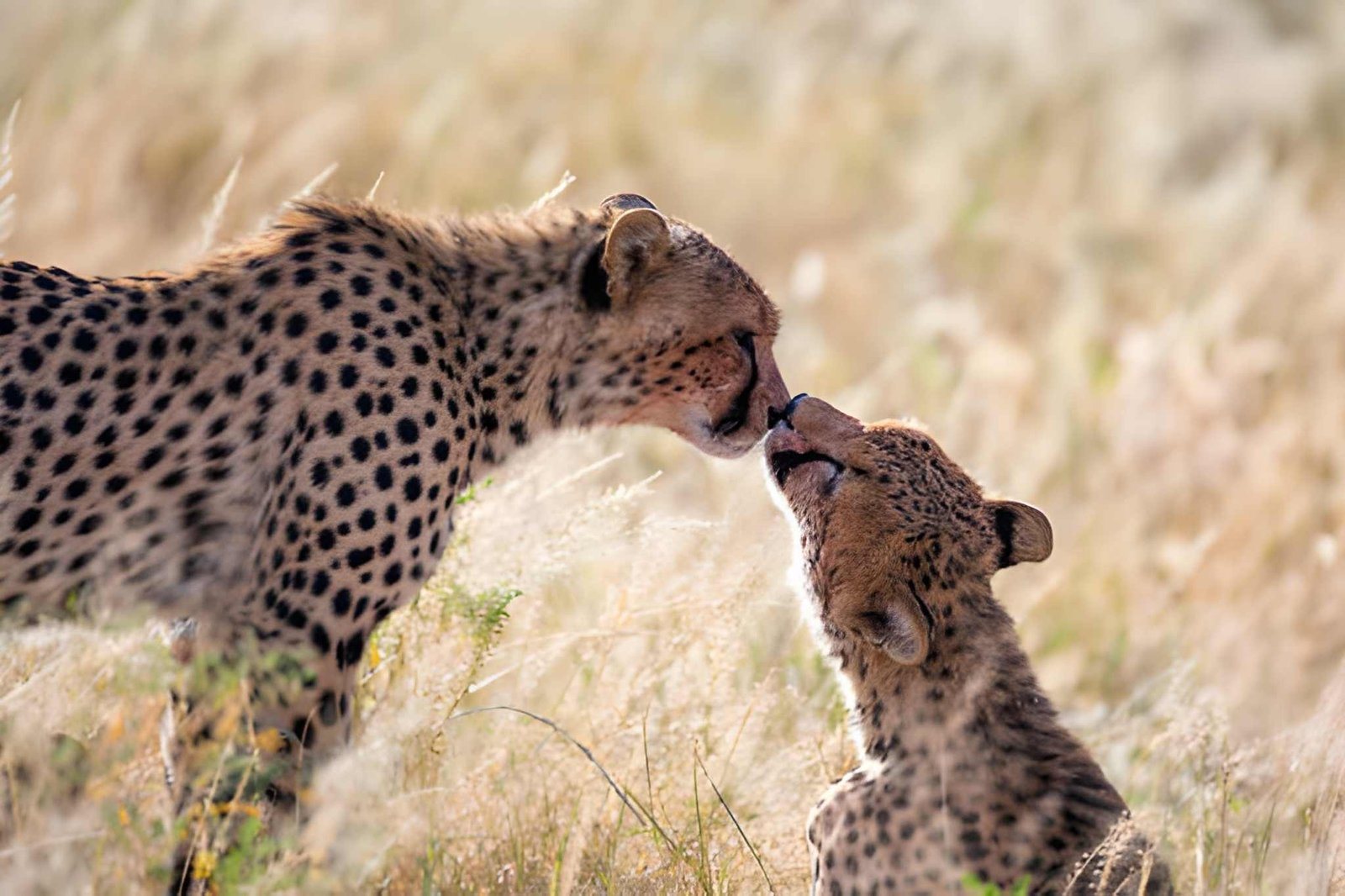
This warm, mostly dry spell between the rains is one of the most rewarding times to visit. The wildebeest herds gather on the short-grass plains of the southern Serengeti and the Ndutu area of the Ngorongoro Conservation Area, where hundreds of thousands of calves are born, usually from late January to February. Predators follow, and big-cat sightings can be spectacular.

The parks are green and beautiful, many migratory birds are present, and it is generally less busy than the dry season. It is also a good window for climbing Kilimanjaro and for beach time on Zanzibar.

  • Calving season in the southern Serengeti and Ndutu
  • Lush landscapes and excellent photography
  • Good conditions for Kilimanjaro and Zanzibar
  • Warm days; occasional short showers
05

April and May: the long rains

The long rains are the low season. Showers can be heavy and prolonged, some roads become muddy and a few seasonal camps close. Even so, the parks are green, peaceful and full of young animals, and the Ngorongoro Crater is rewarding in every season. Lodges that stay open often offer their best rates of the year.

April and May are not ideal for Kilimanjaro, and they are the wettest months on Zanzibar, when some beach hotels close for maintenance.

Tip from our team

For a rainy-season safari, choose all-weather destinations such as the Ngorongoro Crater and Central Serengeti, and leave flexibility in your daily plans.

06

Following the Great Migration

About 1.5 million wildebeest, with hundreds of thousands of zebras and gazelles, move in a continuous loop through the Serengeti–Mara ecosystem, following the rains and fresh grazing. The pattern below is typical, but timing changes from year to year with the rainfall, and the herds are always spread out rather than in one place.

  • December – March: southern Serengeti and Ndutu — calving from late January to February
  • April – May: herds move north-west through the central Serengeti
  • June – July: the Western Corridor and the Grumeti River crossings
  • July – October: the northern Serengeti, with Mara River crossings
  • November: herds move south through the eastern Serengeti
Tip from our team

River crossings are never guaranteed — herds may wait on the bank for days. Two or three nights in the right area give you the best chance, and we choose your Serengeti camps to follow the season.

07

The best time to climb Kilimanjaro

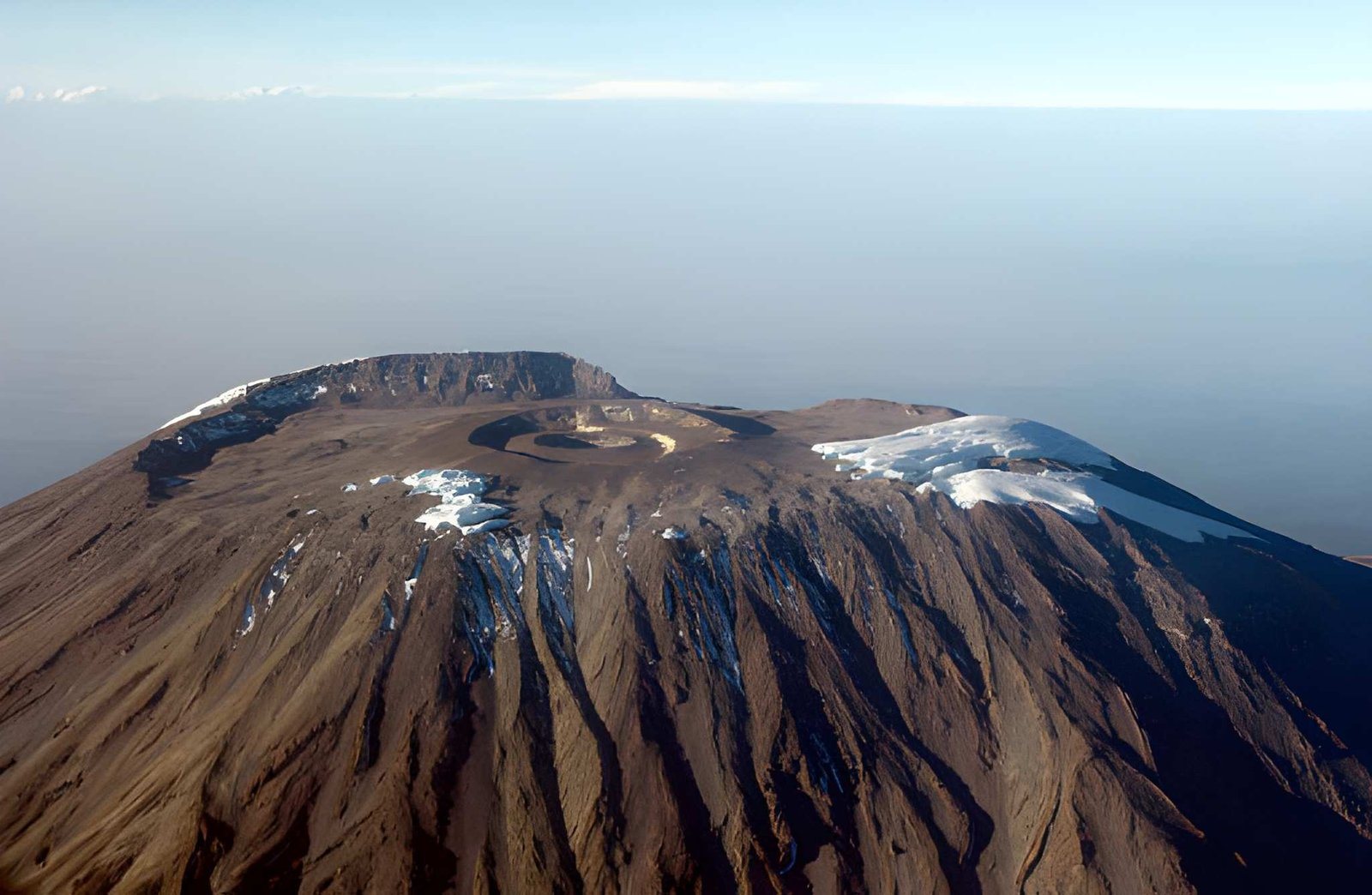
Kilimanjaro can be climbed all year, but the most reliable conditions come in the two drier windows: January to mid-March, which is often clearer and a little warmer but with a chance of snow near the summit, and June to October, which is dry and popular, with colder nights. April, May and November are the wettest months, with muddy trails and less visibility, though the mountain is quieter.

The same seasons apply to Mount Meru, where January to early March and June to October are usually the most comfortable.

Tip from our team

For a full-moon summit night, ask us about departure dates — the moonlight on the glaciers is unforgettable and you may need your headlamp less.

08

The best time for Zanzibar

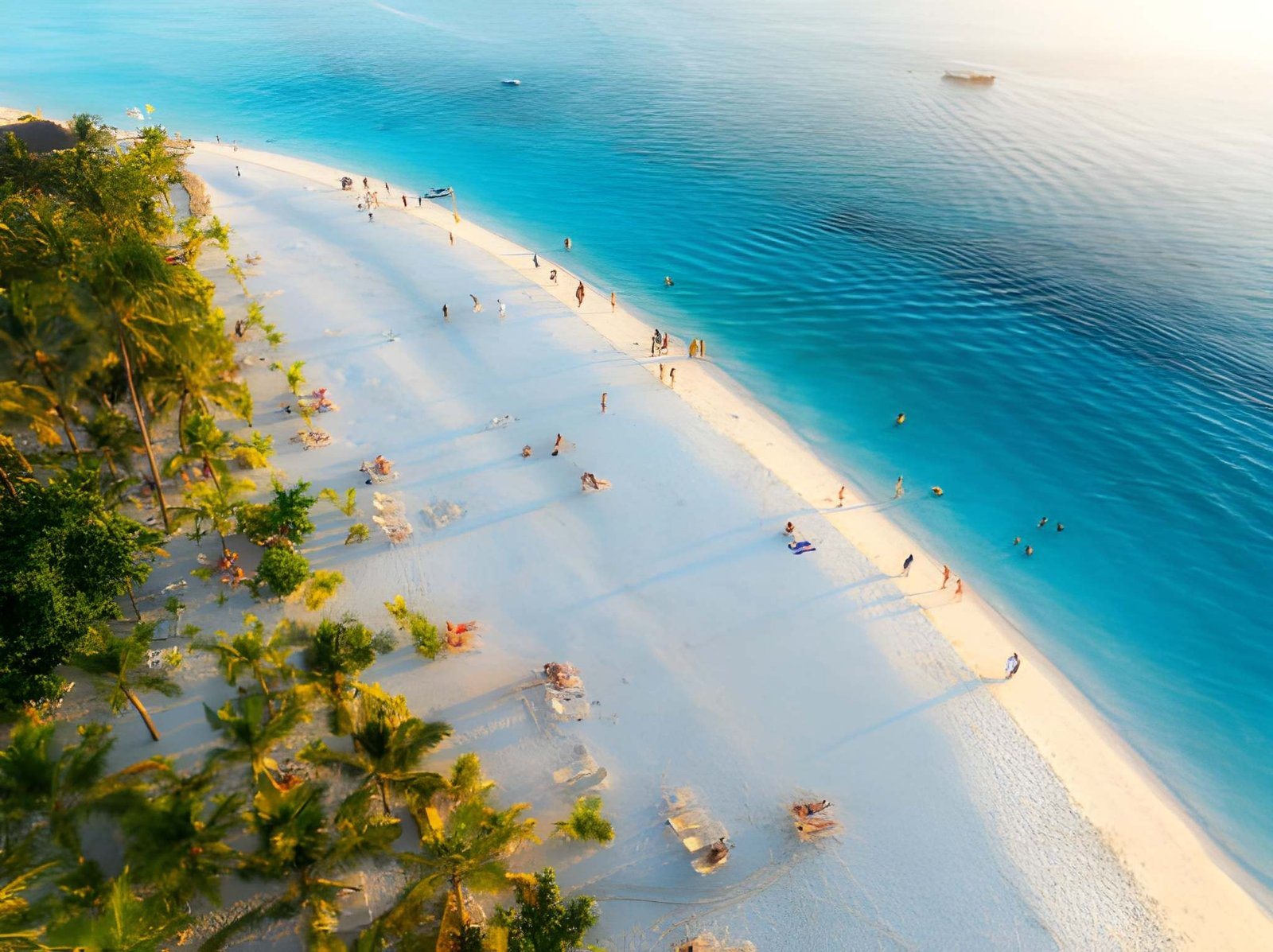
Zanzibar is warm all year. The most settled weather is from June to October, when the south-east trade winds keep it pleasant and dry, and from December to February, when it is hotter, calmer and excellent for diving and snorkelling. March to May brings the heaviest rain, and November has short showers. Seaweed and tides vary along the east coast, so we match your beach to the season.

Tip from our team

The kusi (south-east) wind from June to September suits kitesurfing on the east coast, while the north and west coasts are calmer for swimming at low tide.

09

Choosing your month

If you are still unsure, start with what matters most to you:

  • Classic big-game safari: June to October
  • Calving season and predators: late January to February
  • Mara River crossings: July to September
  • Fewer crowds and lower prices: November, March, April and May
  • Kilimanjaro summit: January to mid-March or June to October
  • Safari and beach together: June to October or December to February
Tip from our team

Tell us your dates and priorities and we will recommend the best combination of parks, camps and activities for that time of year.

Month by month

Tanzania’s seasons, destination by destination

Each row shows the season at a destination through the year. Tap a destination for its full guide.

DestinationJanFebMarAprMayJunJulAugSepOctNovDec
Serengeti Green seasonGreen seasonLong rainsLong rainsLong rainsDry seasonDry seasonDry seasonDry seasonDry seasonShort rainsShort rains
Ngorongoro Green seasonGreen seasonLong rainsLong rainsLong rainsDry seasonDry seasonDry seasonDry seasonDry seasonShort rainsShort rains
Tarangire Green seasonGreen seasonLong rainsLong rainsLong rainsDry seasonDry seasonDry seasonDry seasonDry seasonShort rainsShort rains
Lake Manyara Green seasonGreen seasonLong rainsLong rainsLong rainsDry seasonDry seasonDry seasonDry seasonDry seasonShort rainsShort rains
Arusha NP Green seasonGreen seasonLong rainsLong rainsLong rainsDry seasonDry seasonDry seasonDry seasonDry seasonShort rainsShort rains
Kilimanjaro Dry seasonDry seasonLong rainsLong rainsLong rainsDry seasonDry seasonDry seasonDry seasonDry seasonShort rainsShort rains
Arusha Green seasonGreen seasonLong rainsLong rainsLong rainsDry seasonDry seasonDry seasonDry seasonDry seasonShort rainsShort rains
Mkomazi Green seasonGreen seasonLong rainsLong rainsLong rainsDry seasonDry seasonDry seasonDry seasonDry seasonShort rainsShort rains
Lake Eyasi Green seasonGreen seasonLong rainsLong rainsLong rainsDry seasonDry seasonDry seasonDry seasonDry seasonShort rainsShort rains
Lake Natron Green seasonGreen seasonLong rainsLong rainsLong rainsDry seasonDry seasonDry seasonDry seasonDry seasonShort rainsShort rains
Moshi Green seasonGreen seasonLong rainsLong rainsLong rainsDry seasonDry seasonDry seasonDry seasonDry seasonShort rainsShort rains
Zanzibar Dry seasonDry seasonGreen seasonLong rainsLong rainsDry seasonDry seasonDry seasonDry seasonDry seasonShort rainsDry season
  • Dry season
  • Green season
  • Short rains
  • Long rains
  • Tap a destination for its full month-by-month guide
Questions

Frequently asked questions

Can’t find your answer? Our team in Moshi is happy to help.

Ask on WhatsApp
What is the best month to visit Tanzania?

For classic game viewing, July to October; for the calving season, February. June and late October offer excellent wildlife with fewer visitors.

Can I go on safari in the rainy season?

Yes. Safaris run all year. The long rains (April–May) are wetter and quieter, with lower prices and green landscapes.

When can I see the wildebeest river crossings?

Mara River crossings usually happen between July and September in the northern Serengeti, with Grumeti crossings around June. Timing varies and is never guaranteed.

When is the best time to climb Kilimanjaro?

January to mid-March and June to October, when the weather is usually driest.

Is Zanzibar good in every month?

It is warm all year. April and May are the rainiest months; June to October and December to February are the most settled.

How far ahead should I book?

Six to twelve months for July to October and the Christmas holidays; a few months is usually enough for other periods.

Put it into practice

Recommended journeys

Wildlife safari

7-Day Northern Tanzania Safari

Tarangire · Serengeti · Ngorongoro · Lake Manyara · Arusha

Seven days from Tarangire’s elephants and baobabs to two nights on the Serengeti plains, the Ngorongoro Crater and Lake Manyara — at a rela…

Begins
Arusha
Comfort
All tiers
Travel
Private
from $2,100 ppView journey
Start planning

Plan your Tanzania journey

Tell us your dates and interests — our family-run team in Moshi will help with seasons, routes and practical details, and reply within 24 hours.

WhatsApp us

We reply within 24 hours. Your details are only used to plan your trip.