- Who this climb suits
- Fit, prepared hikers. Marangu is often called one of the more accessible routes, but five days means fast height gain, long walking days and a demanding summit night. Multi-day trekking experience helps; technical climbing experience is not needed.
- Altitude & safety
- The five-day schedule leaves little time for your body to adjust before the summit. For many travellers the six-day Marangu climb, with an extra day at Horombo, is the better option. Your guide checks everyone regularly for headache, nausea, dizziness, unusual tiredness and breathlessness; worsening symptoms mean descent, not a summit. Speak to a doctor before booking if you have medical concerns, and carry insurance that covers high-altitude trekking and evacuation.
- Best time to climb
- January to early March and June to October are usually drier. April–May and parts of November bring more rain, muddy trails and less visibility. Mountain weather is unpredictable all year — prepare for rain, wind and freezing summit temperatures.
- Where you sleep
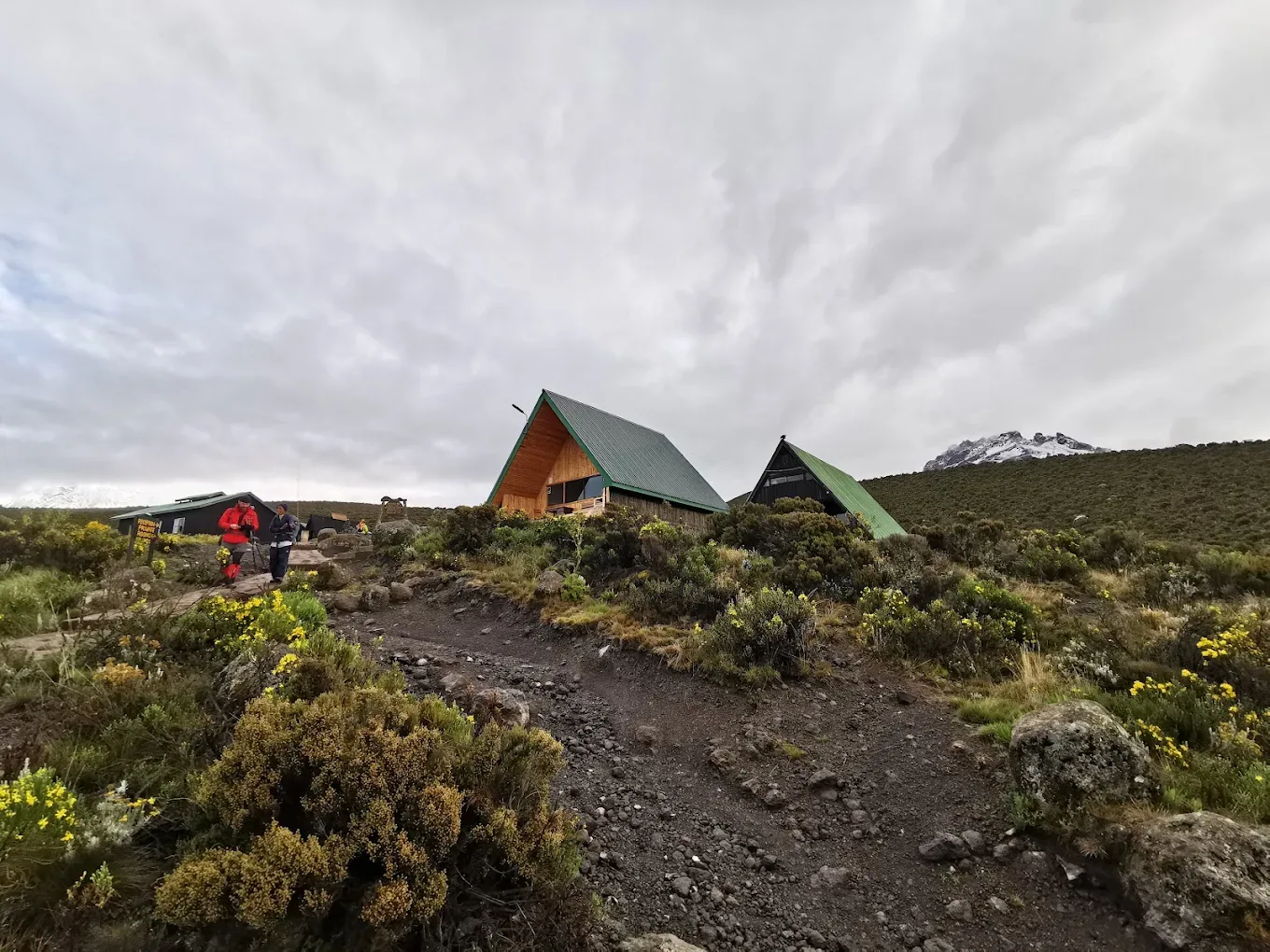
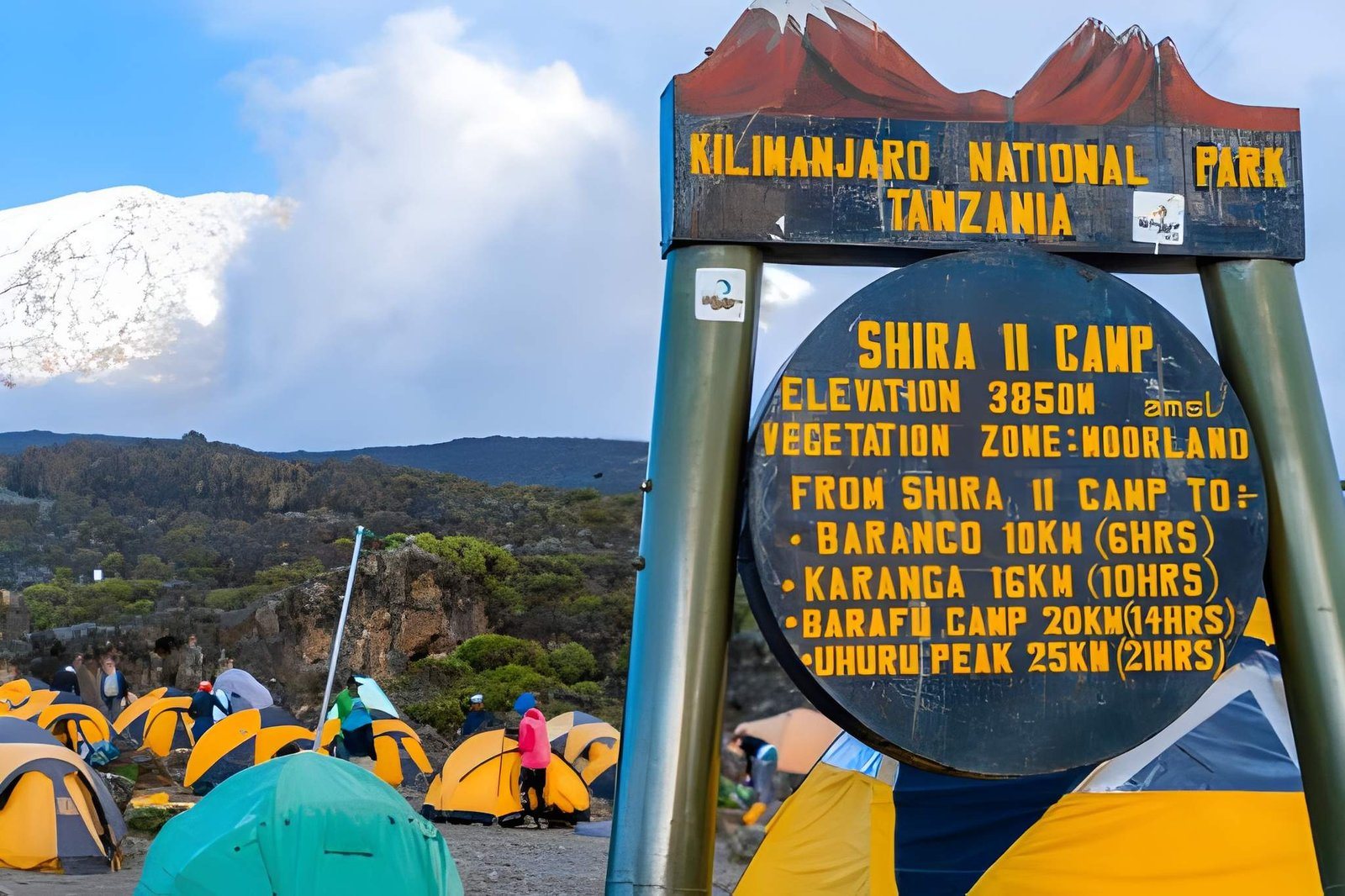
- Marangu is the only Kilimanjaro route with permanent huts. Sleeping is shared, with basic communal facilities — electricity, showers, private bathrooms and hotel-style service should not be expected. Bring a cold-rated sleeping bag. Every comfort level uses the same huts, subject to official allocation.
- What to pack
- Broken-in waterproof boots; base and insulating layers; a waterproof, windproof jacket and trousers; a warm summit jacket; gloves, hat and neck warmer; sun hat, sunglasses and high-SPF sunscreen; a daypack and water bottles; a cold-rated sleeping bag; a headlamp with spare batteries; trekking poles; toiletries, medication and a small first-aid kit; snacks; waterproof bags.
- Add a safari
- We can arrange safaris to Tarangire, the Serengeti, the Ngorongoro Crater and more before or after your climb — just allow a day or two to recover.